Under-Bed Storage Ideas That Turn Dead Space Into a Closet
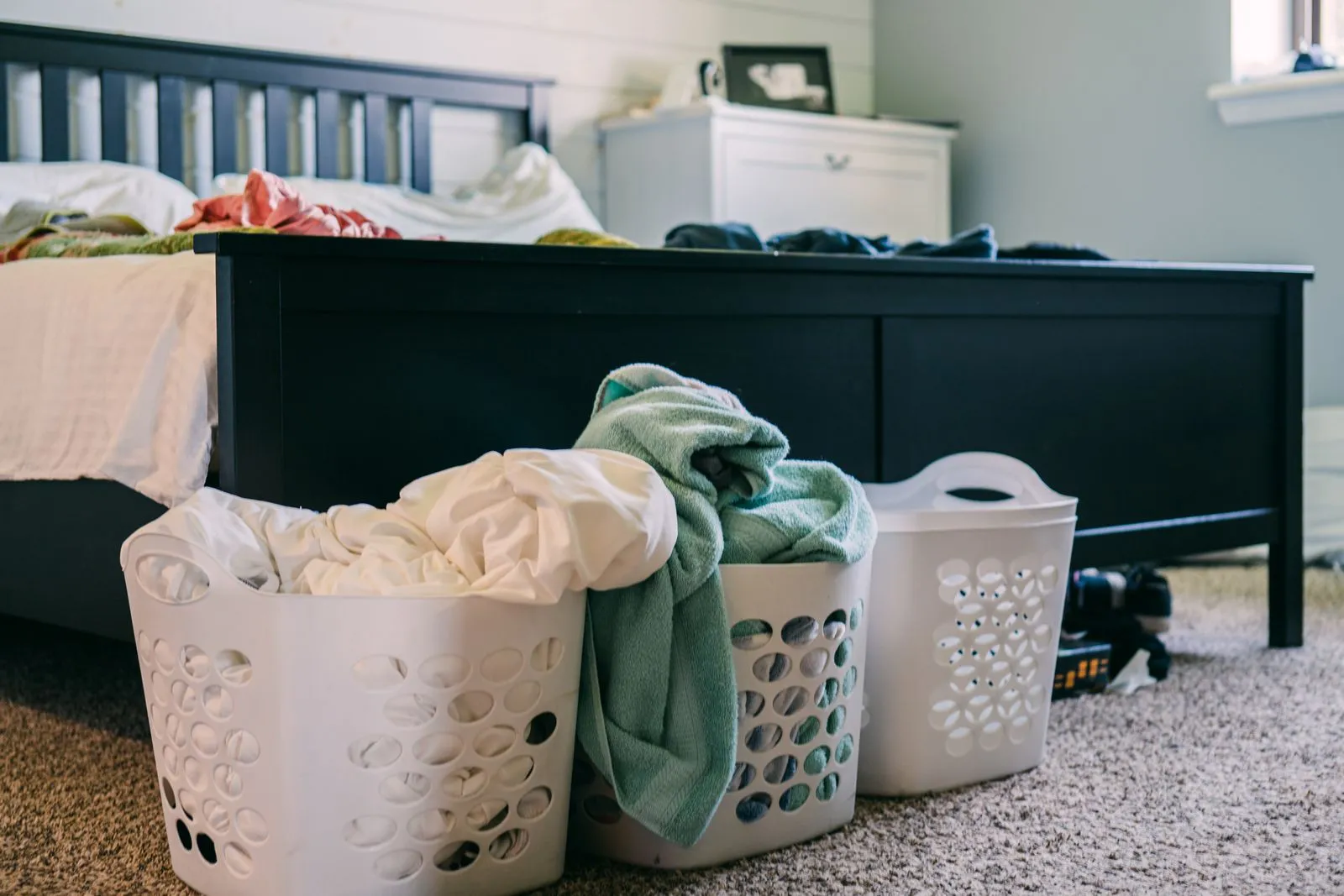
The closet holds one rod, one shelf, and about 18 inches of hanging space, and it filled up months ago. The winter coat is wedged behind the spring jackets. The extra sheets live in a duffel bag in the corner. The suitcase that should be stored somewhere is currently doubling as a shelf for sweaters, because there is nowhere else for it to go. Every square foot of this bedroom is already doing a job, and the closet cannot take one more thing.
Meanwhile there is a rectangle of totally empty space running the entire length of the bed, sitting unused every single day. Most bed frames clear 7 to 10 inches off the floor, box springs and platform beds included, which is enough vertical room for a genuinely useful second storage layer. It just needs a system, not a pile of whatever fits.
Measure the gap before you buy a single bin
Skip the guessing and get the actual number first. Slide a tape measure under the frame at the lowest point, usually near the center rail or the legs, and write down the clearance in inches. A standard bed frame with legs clears 9 to 12 inches. A platform bed with a solid base can be as tight as 6 to 7 inches. Storage bed frames with drawers already built in have no usable gap at all, which is worth confirming before you order anything.
Measure width and depth too. A queen frame typically leaves about 60 inches of width to fill and 75-plus inches of depth, though a nightstand or a rug edge can eat into that on one side. Every bin you consider after this point gets checked against these three numbers, not the picture on the product page.
Choose low, flat, and rigid over anything else
The single biggest mistake in under-bed storage is buying containers built for a closet shelf instead of a floor gap. A shelf bin can be 12 inches tall. An under-bed bin needs to be 6 inches tall or less to clear most frames with an inch to spare, so it slides without scraping the frame rail every time.
Rigid plastic totes with a snap-on lid outperform soft canvas bins for anything you are not touching weekly, because they keep dust and pests out completely and stack if you ever need to free up the floor. Reserve fabric bins with a zippered top for lighter loads like out-of-season pillows or extra throws, since fabric breathes better and is easier to squeeze into an odd-shaped gap around a center support beam. Either way, skip anything without a lid. An open bin under a bed is just a dust shelf with extra steps.
Zone the space like a second closet, not a junk drawer
Once the bins are chosen, treat the gap under the bed exactly like closet shelving: assign each bin one category and stick to it. A realistic three-zone split for a small bedroom:
Off-season clothing — the bin nearest the accessible side, since this is the one you will open twice a year, once to store and once to retrieve. A 6-inch-deep bin holds roughly two full sweater drawers’ worth of folded knitwear.
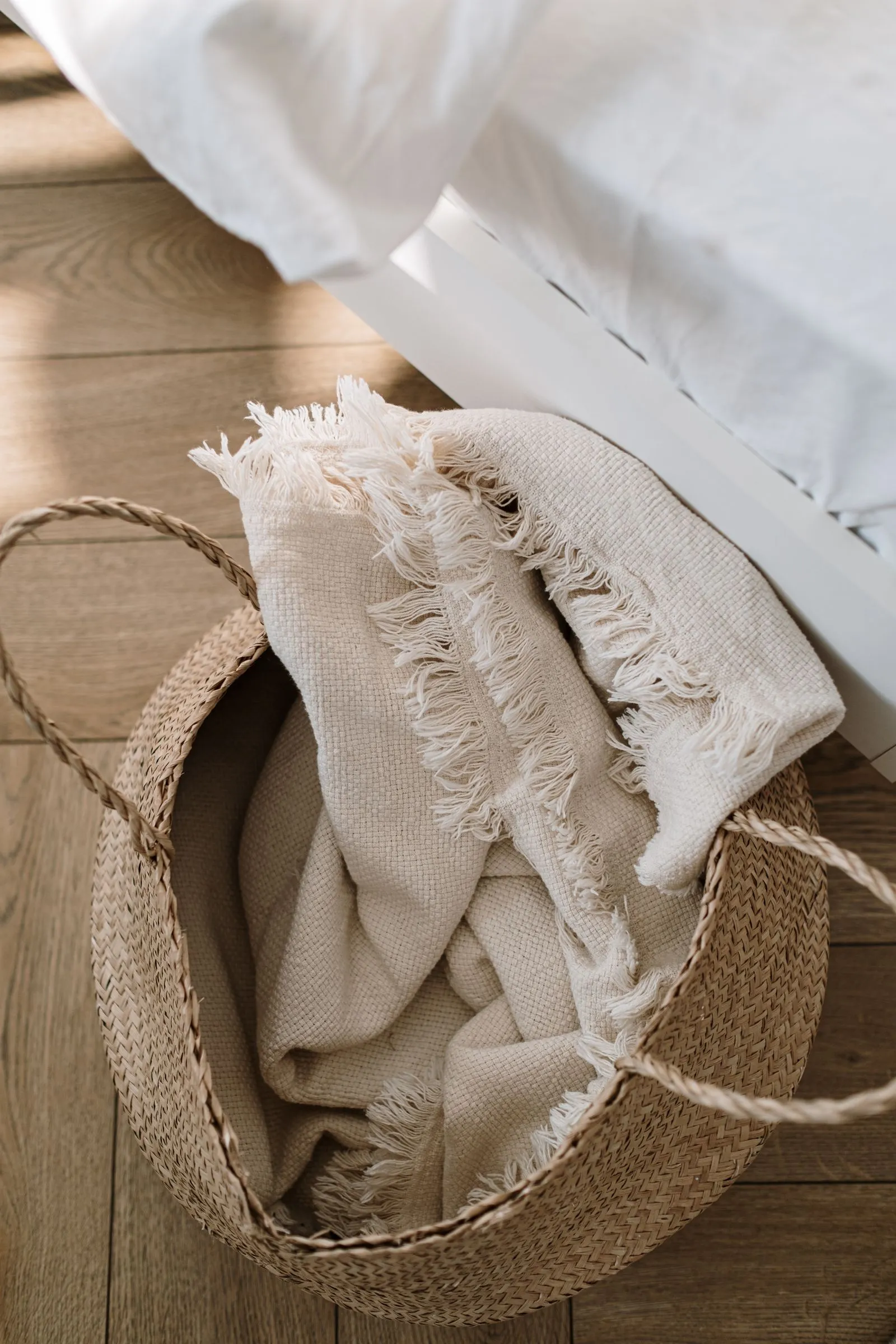
Extra linens and bedding — sheets, a spare comforter, and pillowcases you are not using this week. These compress well and can share a bin with the vacuum-sealed bags mentioned below.
Shoes and flat items — a shallow bin works well for boots laid on their sides or off-season sandals, keeping them out of the closet floor where they currently eat up hanging-shoe space.
Label the short end of each bin, the one facing out from under the bed, so you are not pulling three totes out to find the one with the summer sheets in it.
Compress anything bulky with a vacuum bag first
Bulky items like a winter comforter or a stack of sweaters can eat an entire bin’s volume on their own. A vacuum storage bag, the kind that seals with a valve and a household vacuum hose, compresses that same load to roughly a third of its size. That difference is what lets one bin hold a full season’s wardrobe instead of half of it.
Vacuum bags work best for anything you are storing for months at a stretch, like winter coats in June. Skip them for items you will want to grab quickly, since resealing a vacuum bag every time defeats the point of storage you can actually use.
Add wheels if you are pulling bins out often
A rolling bin turns a twice-a-year chore into a five-second one. Look for a low-profile tote with caster wheels built into the base rather than clipped onto a standard bin after the fact, since add-on casters usually add just enough height to jam against the frame rail. A rolling bin also means you are not on your knees dragging a heavy tote across carpet, which is the actual reason most under-bed bins stop getting used within a year.
If wheels are not an option for your specific frame height, a flat furniture-slider pad under each corner of the bin lets it glide on carpet almost as easily, for a couple of dollars instead of a specialty product.
Hide the whole system with a bed skirt
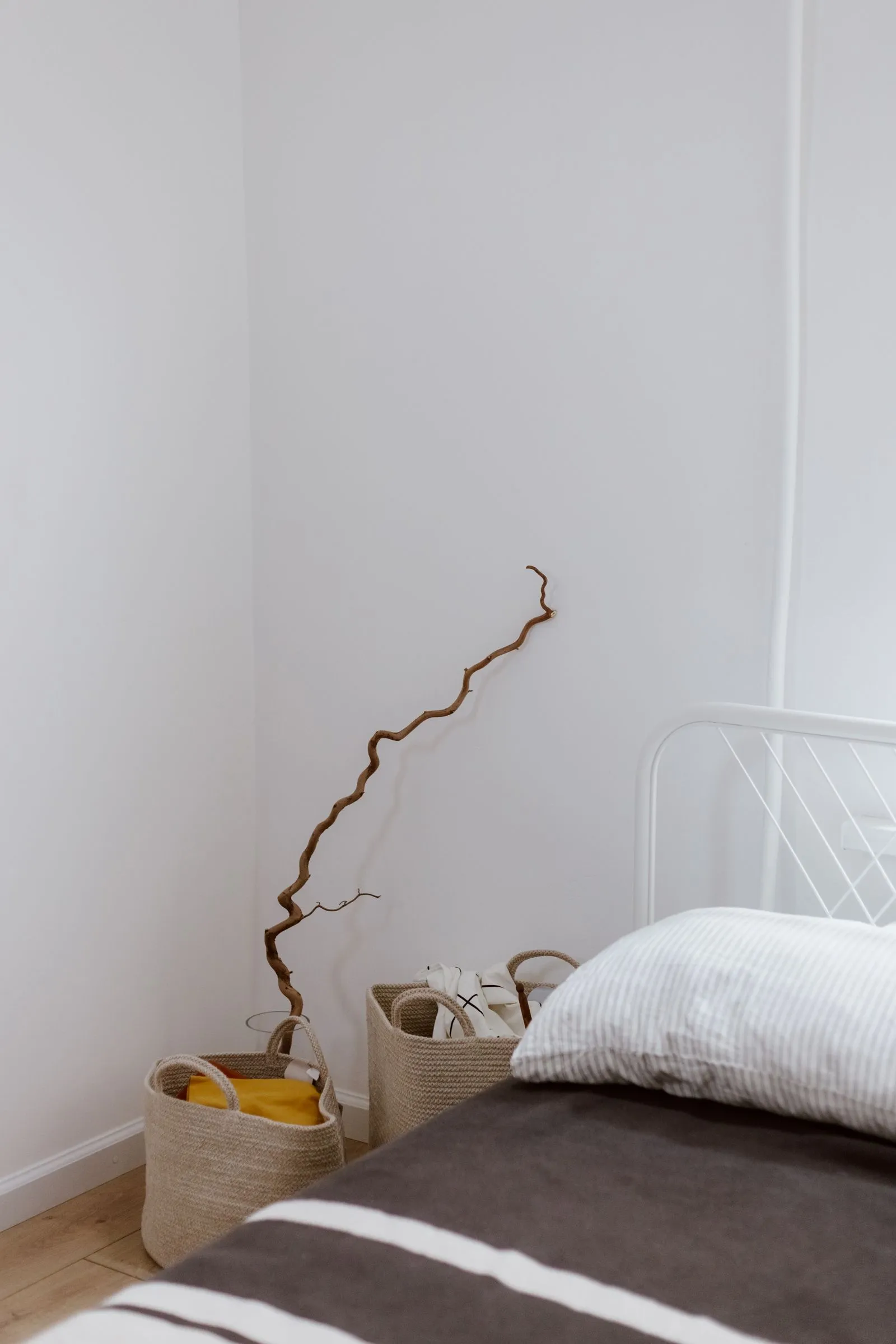
A fitted bed skirt or a simple drop cloth pinned along the box spring hides every bin from view without a single tool or a security-deposit risk. This matters more than it sounds like it should: a visible row of plastic totes reads as clutter even when it is perfectly organized, and a hidden system is one you are less tempted to raid for random items that do not belong there. Renters get the full visual benefit of a closet without touching the walls, which pairs well with the no-drill mindset behind tension rod closet hacks if the rest of the bedroom is getting the same treatment.
The seasonal swap that keeps it a closet, not a dumping ground
A system like this holds up because of one habit: the seasonal swap. Twice a year, pull every bin out, not just the one you need. Check that the off-season bin still matches the season ahead, move anything you actually wore last month back into the closet, and confirm nothing has been shoved in sideways just because it was the closest bin. This is also the moment to catch the item that has quietly lived under the bed for two years without being touched once, which is a strong sign it should leave the apartment rather than get repacked.
Do the swap in ten minutes twice a year and the space under the bed keeps functioning as a second closet instead of drifting back into a pile of mismatched boxes. The tiny closet stays workable because it is no longer carrying weight it was never built to hold, and for the same reason the small bedroom closet system above it works, the floor underneath finally earns its keep too.