Freestanding Storage Furniture for Renters Who Can't Drill the Walls
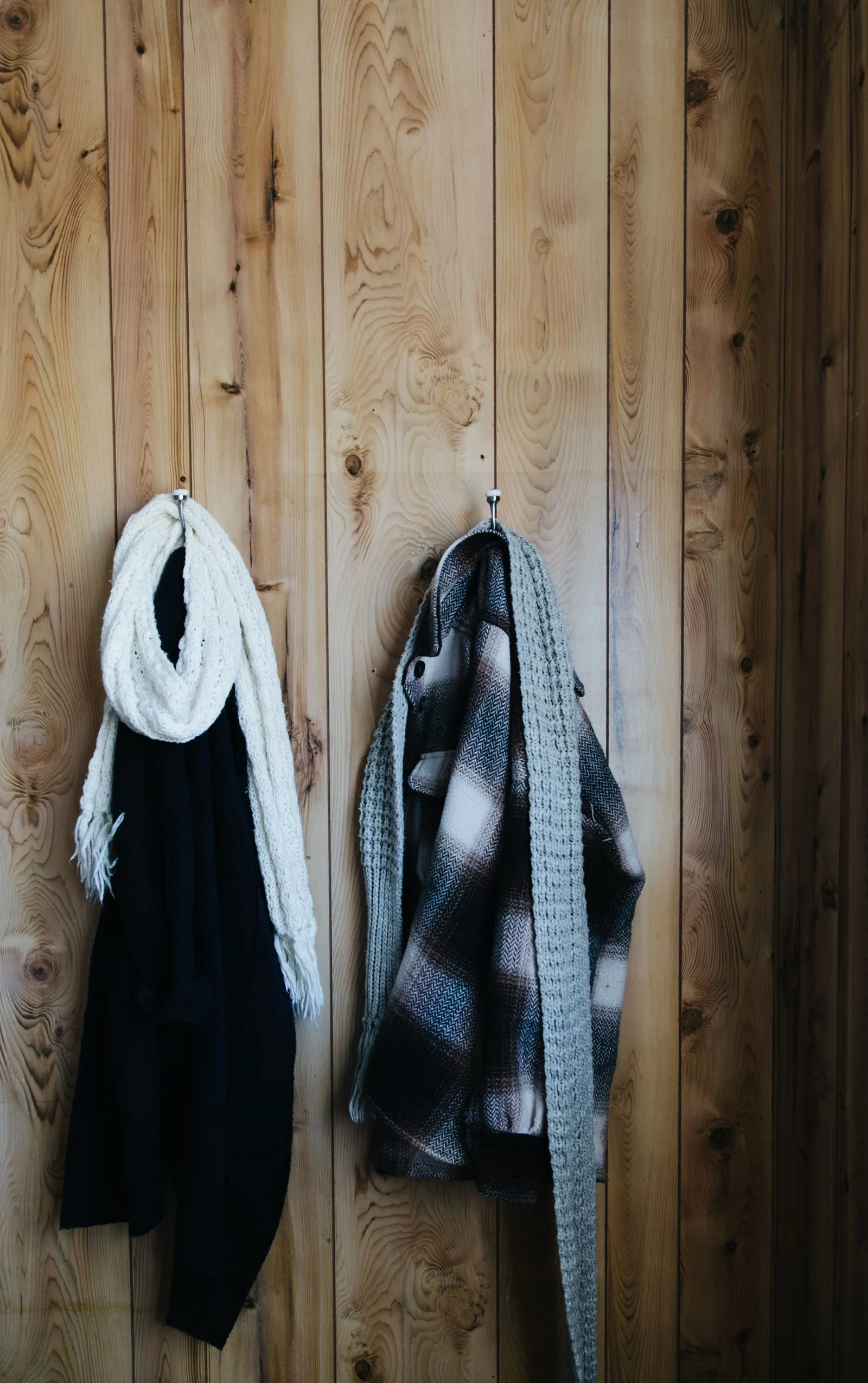
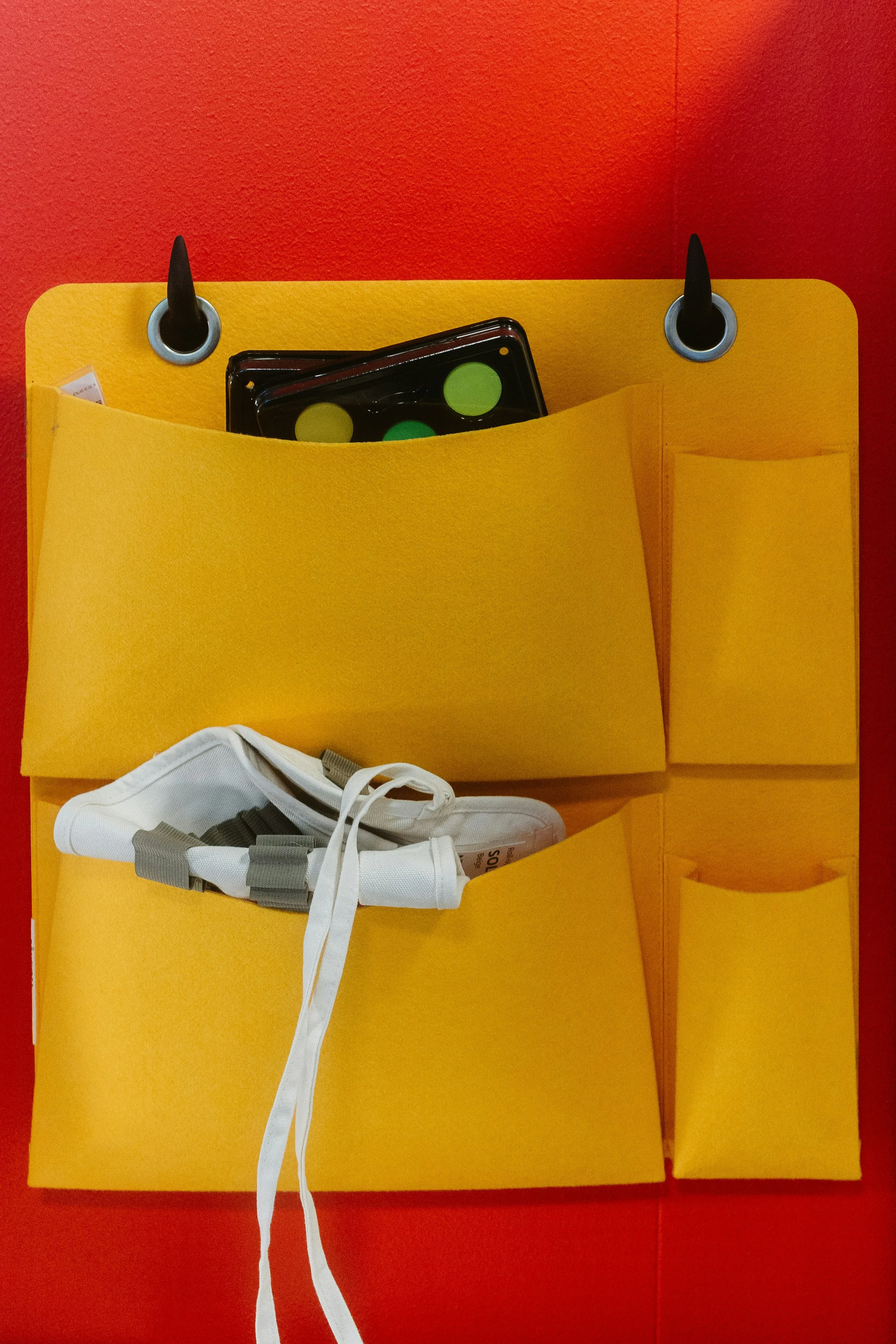
By the time a renter starts looking at furniture, the small fixes are already in play. Adhesive hooks are on the back of the bathroom door. A tension rod is holding a second rail in the closet. Every door that could take an over-door organizer has one. The apartment is organized, and it is still out of room.
That is where the problem stops being placement and starts being volume. There is more stuff than there are surfaces, and no arrangement of hooks fixes that. The next tier up is furniture that brings its own shelves: pieces that stand on the floor, hold their own weight, and leave with you. Renters skip this category because “furniture” sounds like a commitment. A 21-inch-wide shelf unit is less of one than a weekend of patching drywall.
Measure the floor before you shop
Wall-mounted storage costs nothing in floor space, which is why renters reach for it first. Freestanding storage costs floor space by definition, so the measurement that matters happens before you buy.
Walk the room and find the patches nothing walks through: the corner beside a sofa, the gap between a dresser and a window, the dead stretch behind a door that swings the other way. Leave at least 30 inches of clear path through the main walking route and 24 inches in front of anything with a drawer or a door that opens toward you. Whatever is left over after those two subtractions is your actual budget. The difference between a 12-inch-deep piece and a 16-inch one is usually what decides whether the room feels tight afterward.
The corner is the cheapest square footage a rental has
Corners are the part of a room furniture never uses well. A sofa cuts across them, a rectangular bookcase leaves a wedge of dead air behind it, and otherwise they hold a floor lamp and some dust.
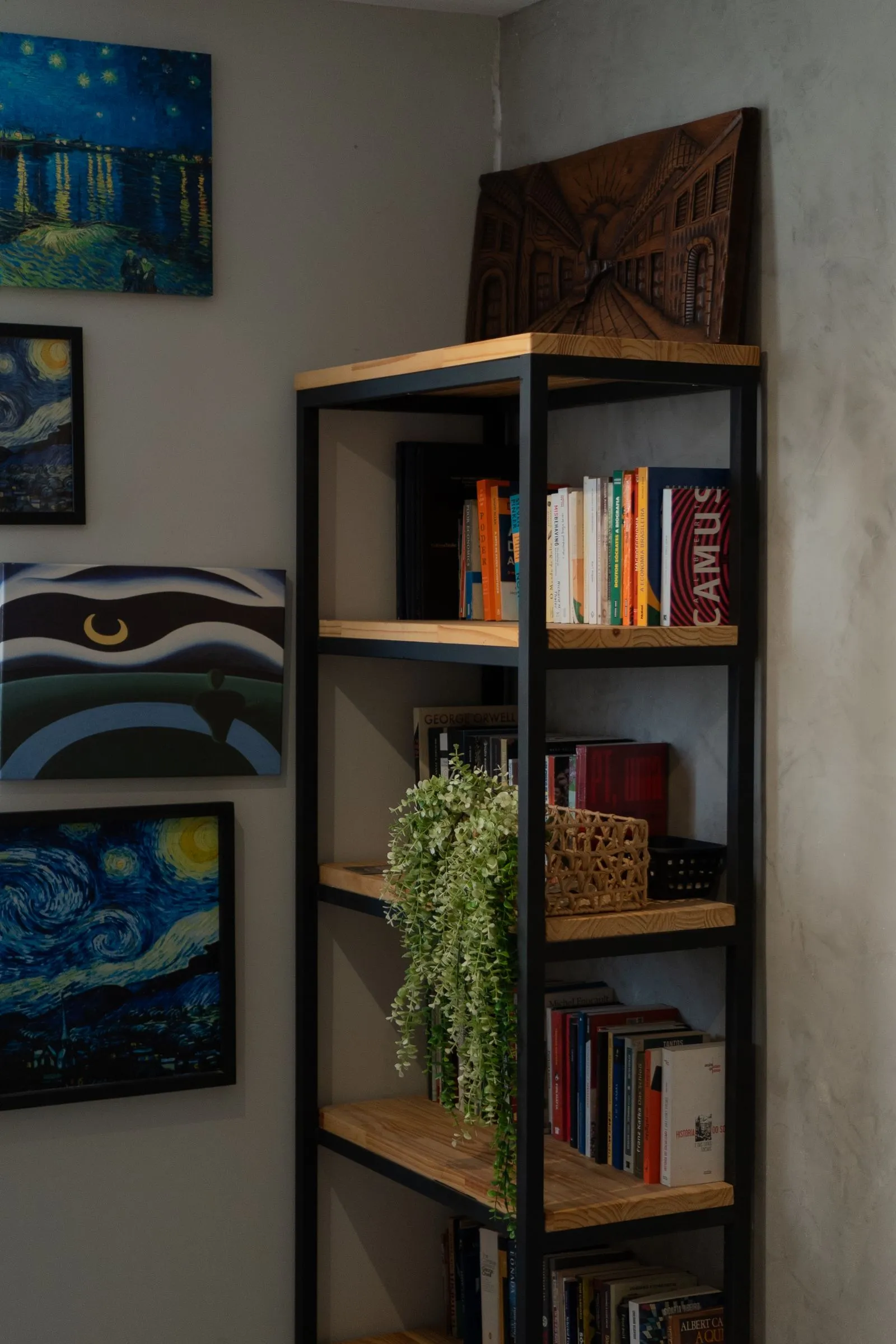
A shelf unit built to sit in the corner claims that wedge instead of wasting it. Pamapic’s five-tier corner shelf is a good example of the proportions to look for: 63 inches tall but only 21.3 inches wide and 15.8 inches deep, in white engineered wood, at $129.99. Five shelves stacked in that footprint is roughly the same storage as a three-shelf bookcase twice as wide, and it sits in space that was already unusable.
Height is what makes the trade work: going up rather than out is how a rental gains storage without losing walking room, and a corner is the only place a 63-inch tower does not visually cut the room in half. Load the bottom two shelves with the heavy things and keep the top tier light.
Be honest about the two anchors
Here is the part most shopping guides skip. A 63-inch shelf unit weighing 48.5 pounds empty is tall enough to tip, and every reputable manufacturer ships it with an anti-tip kit for that reason. Using it means putting two screws into the wall.
That is a real cost in a rental, worth naming plainly rather than pretending freestanding means hole-free. It is also a smaller cost than it sounds. Two anchor points behind furniture is a ten-minute patch job with spackle at move-out, and the holes stay hidden behind the shelf the whole time you live there. Mounting the same amount of shelving to the wall means eight to twelve anchors across a surface a landlord inspects closely. They are not the same category of risk.
If two screws are genuinely not an option, because the lease is strict or the walls are plaster that crumbles, the honest answer is to stay under the height where tipping matters. A leaning ladder shelf held in place by its own angle and weight needs no anchors at all, and our guide to small bedroom storage ideas covers how to place one. The distinction is simple: pieces that lean are stable without hardware, pieces that stand tall and straight are not. Anything over about 48 inches with a shallow base gets strapped, no exceptions, and that is a safety rule before it is a storage one. Households with small children or pets should treat it as non-negotiable at any height.
Give laundry a cabinet instead of a corner
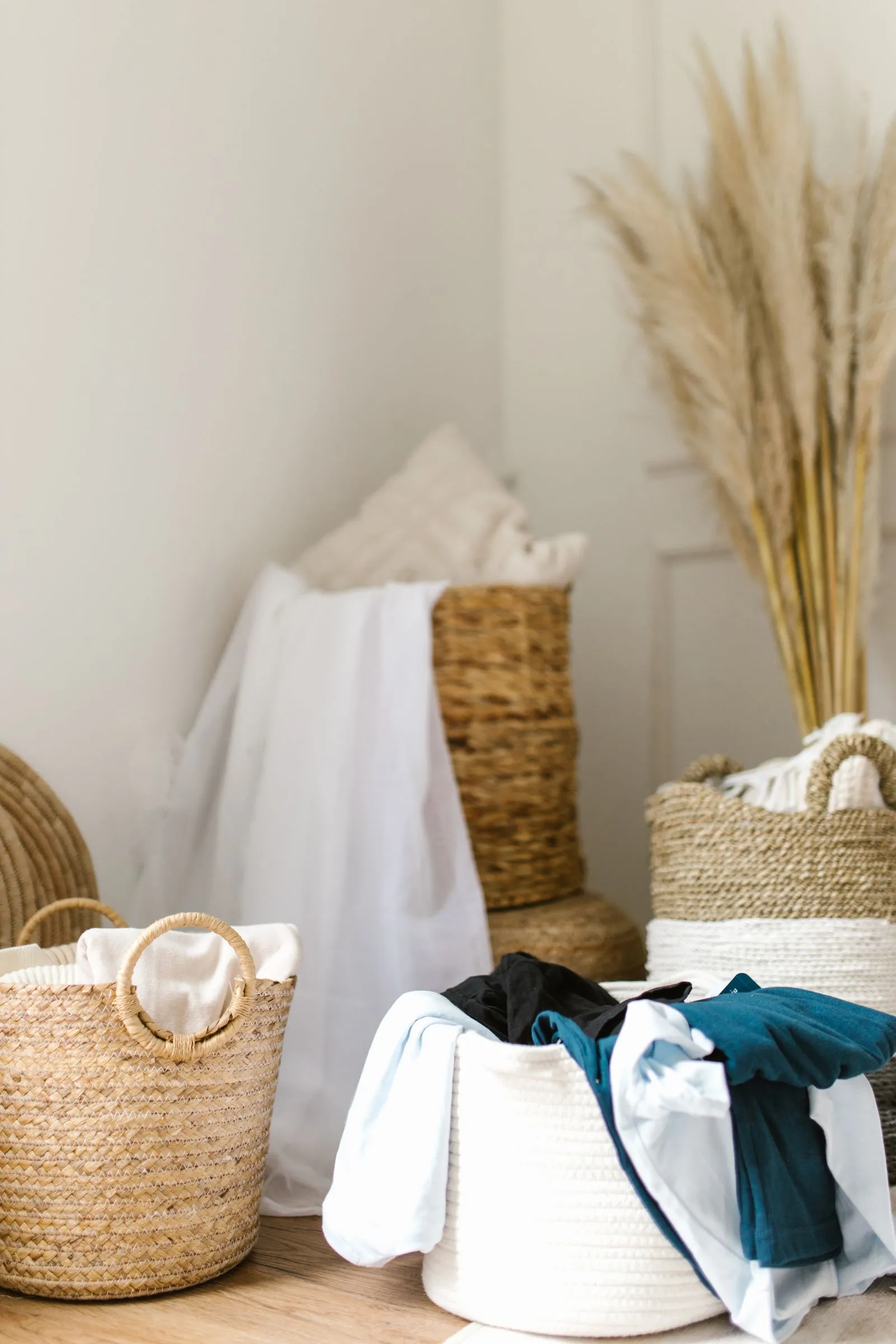
Laundry is the pile that furniture solves better than any organizer, because the problem is not that the clothes lack a container. It is that the container is an open basket sitting in the open, and an open basket always looks like what it is.
A tilt-out hamper cabinet hides it behind a door. Pamapic’s double tilt-out hamper with rattan doors runs $179 and does three jobs in one footprint: two separate compartments so darks and lights get sorted on the way in rather than on laundry day, removable bags with handles so the trip to the machines does not require a second basket, and real rattan doors that hide the contents while still letting air move through. Solid-front hampers trap damp towels; woven ones do not.
The top surface matters as much as the inside. A flat cabinet top at hip height near the machines or the bathroom door becomes the natural landing spot for detergent, a folded stack, and the things that come out of pockets. This piece also ships with anti-tip straps, which tells you something honest about a cabinet that gets pulled open at the top: it expects to be secured, and it should be.
Make the table you already sit at do storage work
The last category is furniture that was going in the room anyway. A coffee table occupies four to six square feet of the best real estate in the apartment and usually stores nothing at all.
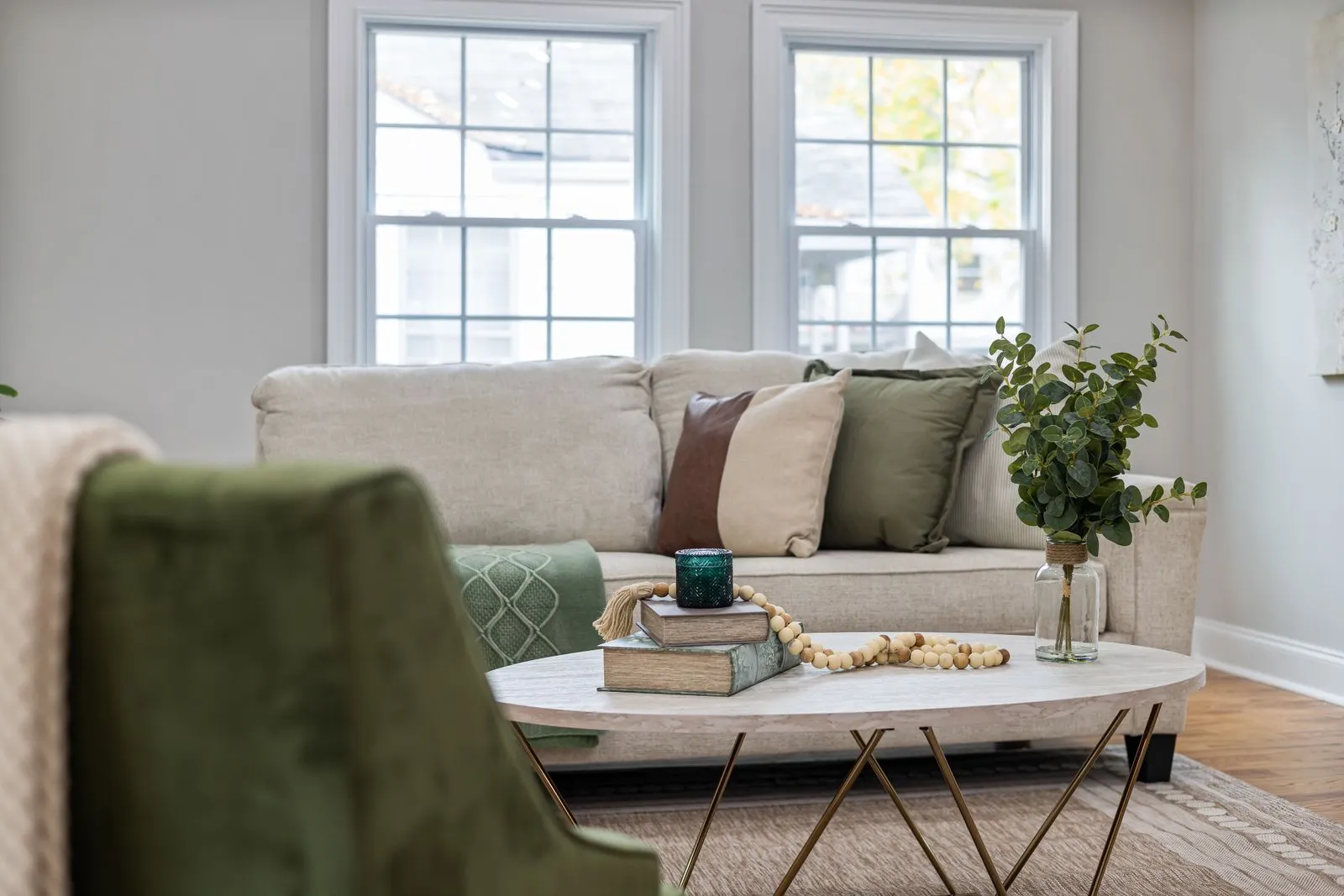
A lift-top version turns that footprint into closed storage without adding a single piece to the floor. The top rises on a hinge to laptop or dinner height, so the table doubles as a desk on work-from-home days, and the space underneath becomes three hidden compartments for remotes, chargers, and the paperwork with nowhere else to live. Models with four open cubbies along the sides add a place for books and baskets you actually want visible. Expect to pay around $190 for that combination. In a tight layout, an oval or rounded top is worth seeking out specifically: no sharp corners at shin height in a room where the walking path is already narrow.
Decide what goes on the new surfaces before they arrive
Every piece above creates flat space, and flat space in an apartment fills itself within a week if nobody has decided what belongs there. This is the failure mode of buying storage furniture: the room gains capacity and the clutter simply expands to match it.
Before anything gets assembled, name the pile each piece is for. The corner shelf takes the books and bins stacked on the floor. The hamper takes the laundry basket and the chair beside it. The lift-top table takes the remotes, cords, and mail. Then remove what each one replaced, the corner basket and the under-bed bins that were only holding overflow, so the room ends up with the same amount of stuff in fewer places. If the entry hooks are still carrying things that now have a proper home, our guide to command hooks and wall storage is worth a second pass.
The reset that keeps the furniture working
Furniture is easier to maintain than a system of hooks and bins, but only if one habit holds: nothing gets set on top of a closed compartment when it belongs inside it. The lift-top table fails the moment three remotes live on the lid instead of under it. The hamper fails when clothes land on the cabinet rather than in it.
Once a week, open every lid and door and put back whatever is sitting on top. It takes under a minute per piece. Twice a year, check the anti-tip straps, since screws work loose in drywall and a strap nobody has looked at since assembly is doing less than it appears to be. Do those two things and the furniture keeps earning its floor space, which is the only test that matters when every square foot is rented, not owned.