Renter-Friendly Small Bedroom Storage Ideas Beyond the Closet
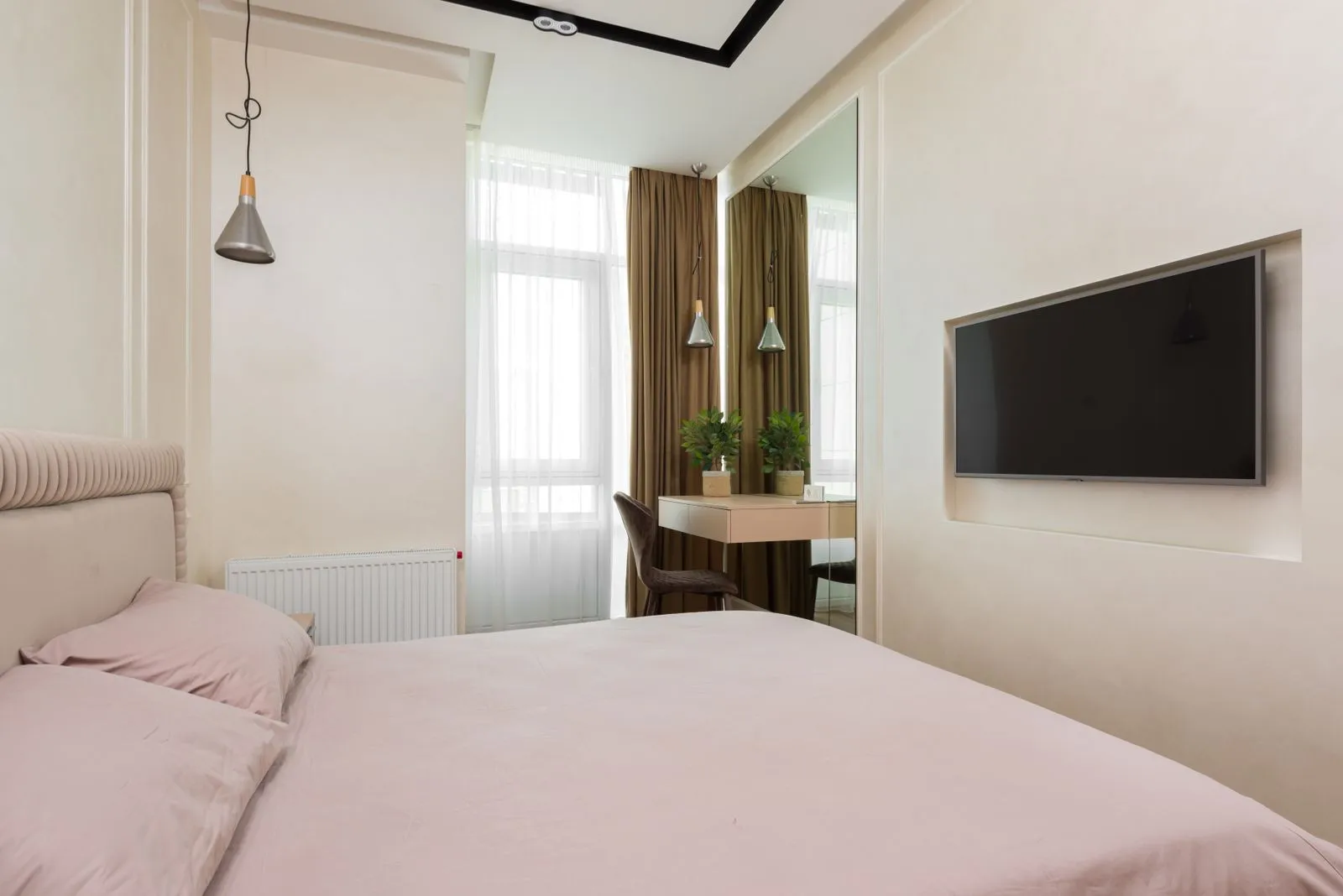
The closet is full. Not “could use a tidy” full — actually full, door catching on a sleeve every time it swings shut. So the overflow goes where overflow always goes: the chair. A cardigan today, jeans tomorrow, and by the weekend the chair is a soft-sided dresser nobody can sit in. The bedroom itself has more storage capacity than the closet ever did, it’s just never been organized as storage. It’s been organized as floor and chair and the flat top of the dresser.
None of the fixes below touch the closet. They also don’t touch the walls with a drill, since the security deposit is real and so is the no-holes clause in most leases. What they do is turn the rest of the room, the parts a renter already owns outright, into the second storage system the bedroom has been missing.
Give the overflow its own rolling cart
A slim rolling cart, the kind sold for kitchens and craft rooms, is one of the few pieces of bedroom furniture that adds storage without needing a wall or an outlet. Look for one 10 to 16 inches wide so it slides into the gap beside a nightstand, at the foot of the bed, or next to a desk without eating into walking space. Three or four wire or slatted shelves beat one deep bin, since a shallow shelf keeps folded shirts or a stack of leggings from getting buried under whatever landed on top last. HOMCOM’s slim three-tier rolling cart is the shape to look for — a narrow slide-out design sold for exactly these tight gaps.
Because it rolls, the cart can do double duty: laundry-day staging area near the door, then a push back to its parking spot once everything’s put away. That mobility is the whole point for a renter. A dresser has to earn its square footage every single day it sits there; a cart only has to earn it when it’s actually being used, and it can get out of the way the rest of the time.
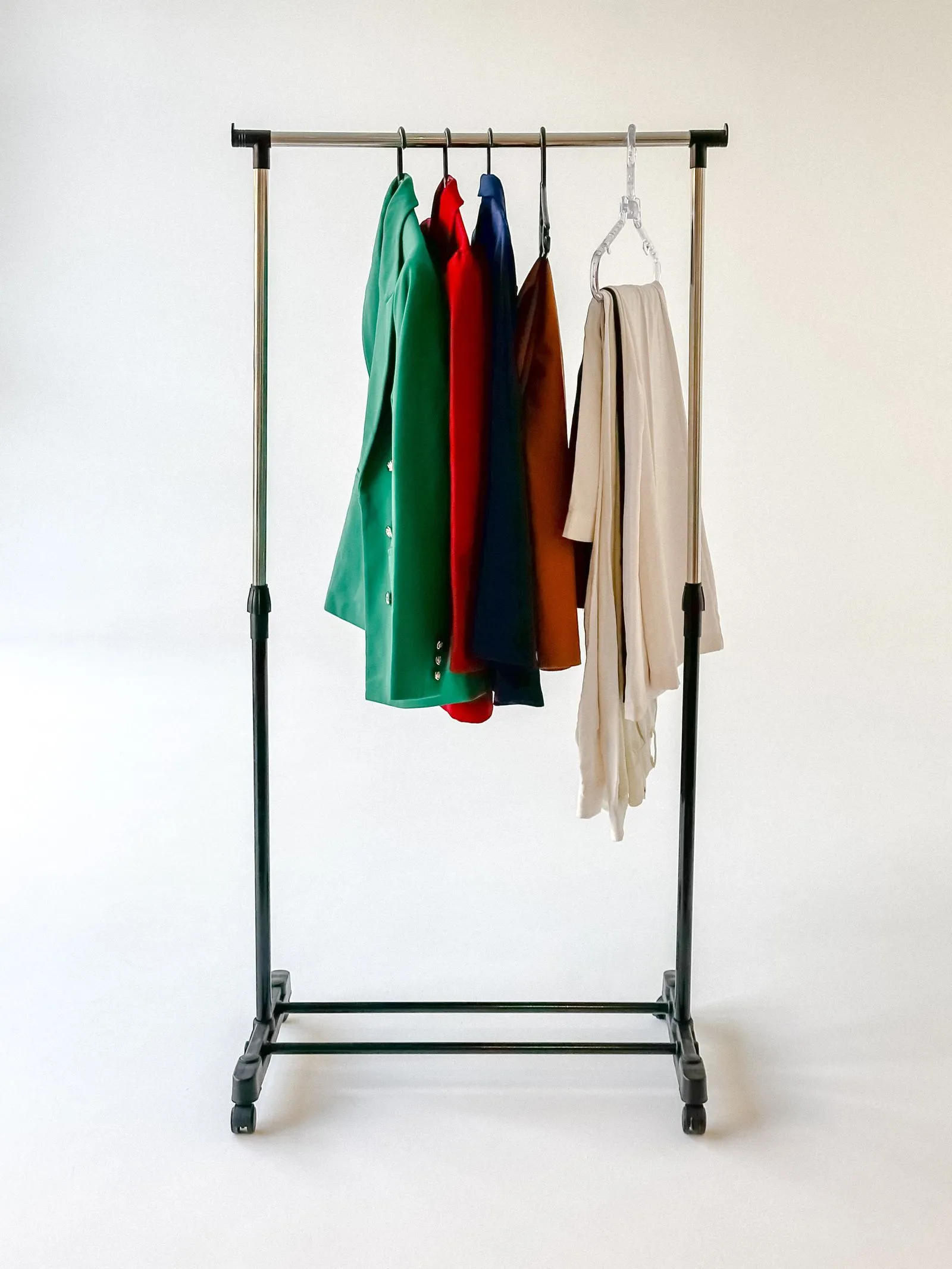
A rolling garment rack works the same angle for anything on hangers that lost its spot in the closet. Coats worn daily, the outfit set aside for tomorrow, or off-season jackets waiting for a seasonal swap can all hang here instead of draping over furniture. Keep it to one rack’s worth, though — if it starts absorbing everything the closet couldn’t hold, it just becomes a second closet with the same overflow problem.
Solve the chair problem with a valet hook zone
The chair keeps collecting clothes because there’s no faster place to put something you’ll wear again tomorrow. A hook solves that in one motion, which is exactly why it wins against a habit that took two seconds to form.
Pick one wall, ideally the one nearest the bed or the path to the door, and mount three to five adhesive hooks rated for at least 5 pounds each. This is a valet zone, not general storage: it holds tonight’s outfit, tomorrow’s plan, a robe, or a bag, and nothing else. Anything that’s actually clean-and-done gets hung back in the closet or folded into a drawer within a day, so the zone never creeps past what it was built for.
The habit only sticks if the hooks are closer than the chair. Mount them at arm’s height right where a hand naturally lands when getting undressed, and the chair stops being the path of least resistance. For a deeper look at mounting patterns and adhesive weight limits, our guide to command hooks and wall storage for renters covers the full setup.
Turn the nightstand and dresser top into a system, not a landing pad
A dresser top usually ends up holding whatever was in a pocket at the end of the day: keys, a charger, receipts, one earring. That’s not storage, it’s sediment. A small tray, 8 by 10 inches or so, corrals it into one footprint instead of a spreading puddle across the whole surface.
Add a second, smaller tray or a shallow dish specifically for jewelry and anything easy to lose in bedding, and a slim charging tray near the outlet so cords stop draping across the wood. The nightstand gets the same treatment at a smaller scale: one drawer organizer with two or three compartments keeps reading glasses, lip balm, and a phone cord from turning into a single tangled drawer you dread opening.
The goal on both surfaces is that everything has a named spot small enough that clutter becomes visible the moment it drifts outside its tray. A dresser top with defined zones stays a dresser top. One without them turns into shelf space for anything that doesn’t have a home yet — which, in a full closet situation, is a lot of things.
Add a leaning shelf where the wall can’t be drilled
A ladder-style shelf or leaning bookcase gets vertical storage out of a room without a single anchor. It rests against the wall at an angle, held in place by its own weight and footprint, and most models top out around 15 pounds of security deposit risk: zero.

Use the lower rungs for folded sweaters, scarves, or a stack of throw blankets, and the top for a basket that holds smaller items like belts or hair accessories. A leaning shelf this size, typically 14 to 18 inches wide, tucks into the dead corner beside a dresser or the sliver of wall next to a window that’s too narrow for real furniture. That’s space a rental bedroom already has and almost never uses.
Because it leans rather than mounts, it also comes down in five minutes at move-out with nothing to patch. That’s the test worth applying to every piece on this list: if it can leave with you exactly as easily as it arrived, it belongs in a renter’s bedroom.
Let the bed frame carry its share
Some bed frames, particularly platform styles with a slatted or panel base, include drawers or open cubbies built into the frame itself. If a mattress swap or new frame is ever on the table, a storage bed frame converts otherwise wasted under-mattress height into two to four drawers without adding a single piece of furniture to the floor. A headboard with a shelf ledge, even a shallow 3-inch one, is enough for a book, glasses, and a phone, which pulls that clutter off the nightstand entirely.
For existing frames, a fabric under-bed organizer that straps to the frame’s side rail keeps flat items like scarves or extra linens from disappearing into the true under-bed void. That void itself, the space beneath the mattress, is worth a full system of its own — bins, risers, and what fits at different clearance heights — and our guide to over-door organizers for renters is the place to start if the closet door still has capacity left before tackling the floor below the bed.
The reset that keeps the chair empty
Every system above fails the same way if it’s left unattended: the cart gets buried, the hooks fill up with things that never leave, the tray on the dresser starts collecting non-tray items again. The fix is a two-minute nightly reset, not a bigger overhaul.
Before bed, glance at the valet hooks and move anything that’s actually finished into the closet or a drawer. Check the cart and the dresser tray for anything that doesn’t belong in either. And look at the chair. If it’s empty, the system is working. If something landed there anyway, that’s the one item to relocate before turning off the light, not tomorrow’s problem. A closet that’s full doesn’t have to mean a bedroom that’s full — it just means the rest of the room finally has to pull its weight, and now it can.