Adhesive Hook Coat and Bag Storage Ideas for Apartments
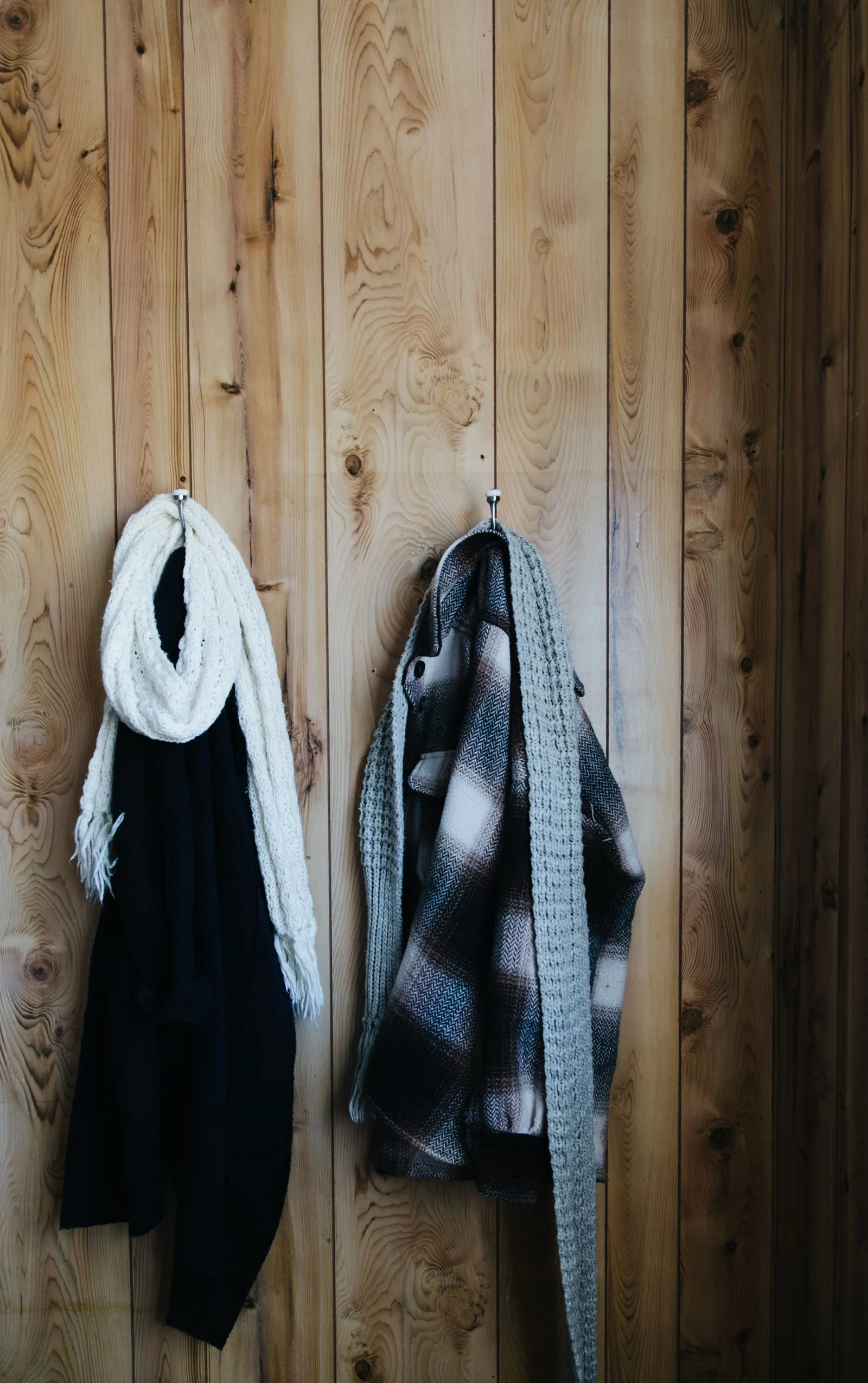
Every apartment without a coat closet ends up with the same landing zone: the back of the dining chair closest to the door. Then the second chair. Then the arm of the couch, because the chairs are full. By Thursday there are five coats, two tote bags, and a gym bag stacked in a pile that has to be excavated every morning while looking for the one jacket underneath all of it.
The apartment did not skip a coat closet by accident — plenty of prewar and studio layouts simply never had room for one. But a missing closet does not mean a missing system. A short row of adhesive hooks, rated for the weight they’ll actually carry and spaced the way a real closet rod would be, replaces the closet function completely. No drilling, no landlord conversation, and a full deposit back when the lease ends.
Measure the wall before buying a single hook
Start with the stretch of wall closest to the door, not the prettiest wall in the room. The entry sequence matters more than aesthetics: you want hooks between the door and the spot where people naturally stop to take off shoes, usually within 3 to 4 feet of the threshold.
Look for at least 24 to 30 inches of clear wall, uninterrupted by a light switch, thermostat, or window trim. A single stud-free stretch of drywall or painted plaster is ideal — adhesive strips bond best to smooth, sealed surfaces. Textured or heavily wallpapered walls cut adhesive hold by half or more, so if that’s all you have, plan on fewer coats per hook and more frequent weight checks. If textured wall is all you have, the other option is to skip the wall entirely and hang the row from the door instead: Umbra’s Schnook over-the-door hooks rate each hook at 5 pounds and need no hardware or adhesive at all, which is enough for a parka on a surface no strip would stick to.
Skip anywhere that gets direct afternoon sun or sits within a foot of a heat register. Adhesive strips soften above roughly 105°F, and a hook that’s baked all day is the one most likely to peel off with a winter coat still on it.
Match the hook’s weight rating to what actually hangs there
Every adhesive hook is rated for a maximum hold, usually printed right on the packaging, and that number is not a suggestion. A hook rated for 3 pounds will hold a light rain jacket. A hook rated for 5 pounds handles one heavier coat. For a real winter parka with a full liner, look for hooks rated 7 to 10 pounds, and mount two side by side rather than trusting one hook near its limit.
A useful gut check: a wool peacoat runs 2 to 3 pounds, a puffer jacket 1 to 2 pounds, and a lined winter parka can hit 4 to 5 pounds on its own. Stack a scarf and gloves in the pockets and you’ve added another half pound. Buying hooks rated 2 to 3 pounds over what you expect to hang gives enough margin that a humid week or a slightly dusty wall doesn’t turn into a coat on the floor. If you’re weighing hooks against other no-drilling options for the same wall, our roundup of damage-free wall storage ideas for renters compares weight ratings across hooks, rails, and strips side by side.
Space the row like a real closet rod
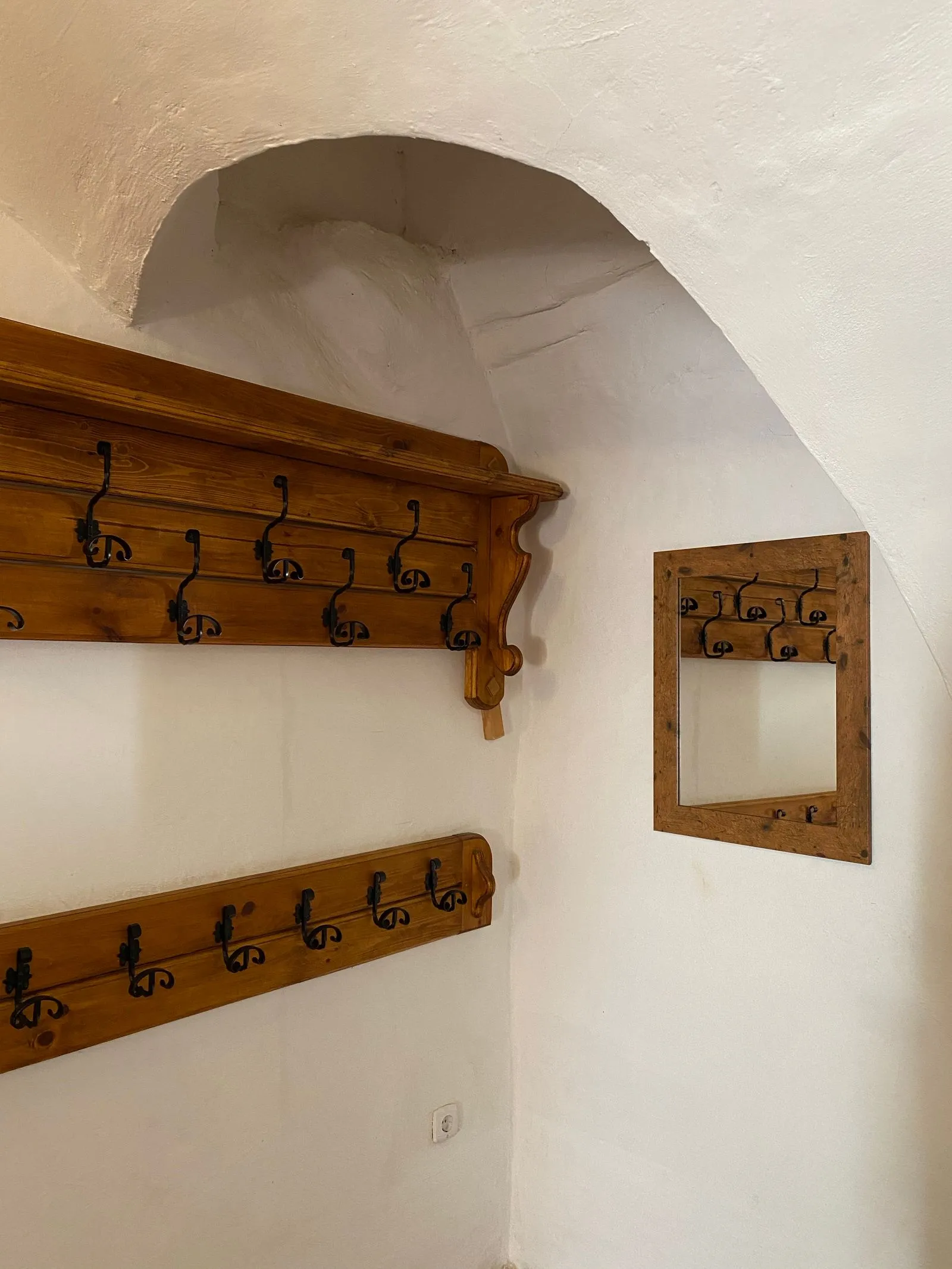
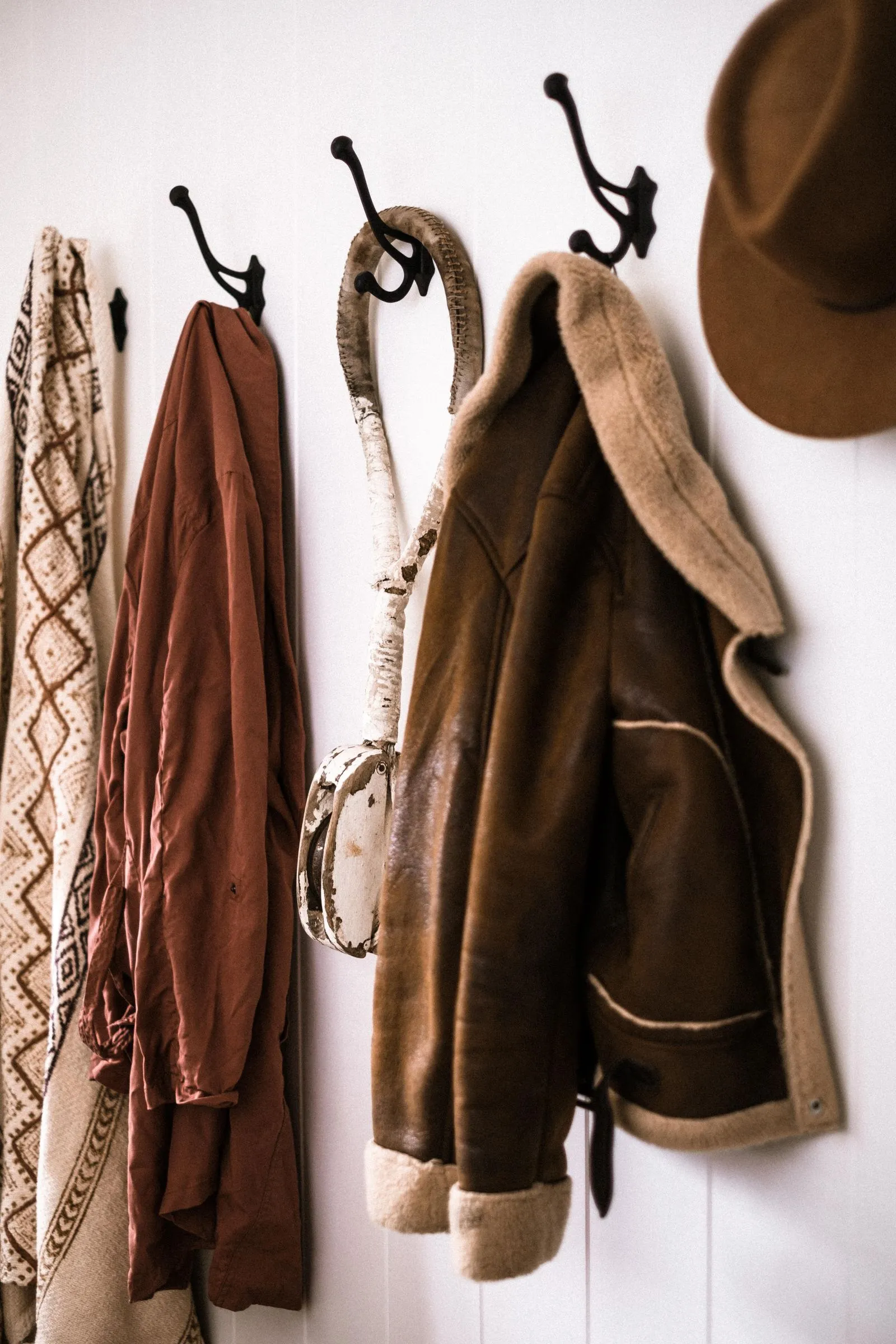
A single hook stops one coat problem and creates a new one, since everyone still competes for the same spot. Plan for one hook per household member plus one guest hook, mounted in a straight row 6 to 8 inches apart. That spacing keeps sleeves from tangling when two coats hang side by side, which is the single biggest complaint with cramped hook rows.
Mount the row at 60 to 66 inches from the floor, measured to the top of the hook. That height clears most coat lengths without dragging hems on the floor, and it’s low enough for kids to reach their own hook without a step stool if you drop a row of two or three hooks to 40 inches specifically for them.
Press each hook firmly for the full time listed on the package, typically 30 seconds, then leave it untouched for the full cure window — usually a few hours — before hanging anything. A hook loaded five minutes after mounting will fail even if it’s rated for the weight, since the adhesive hasn’t finished bonding yet.
Give bags their own lower tier
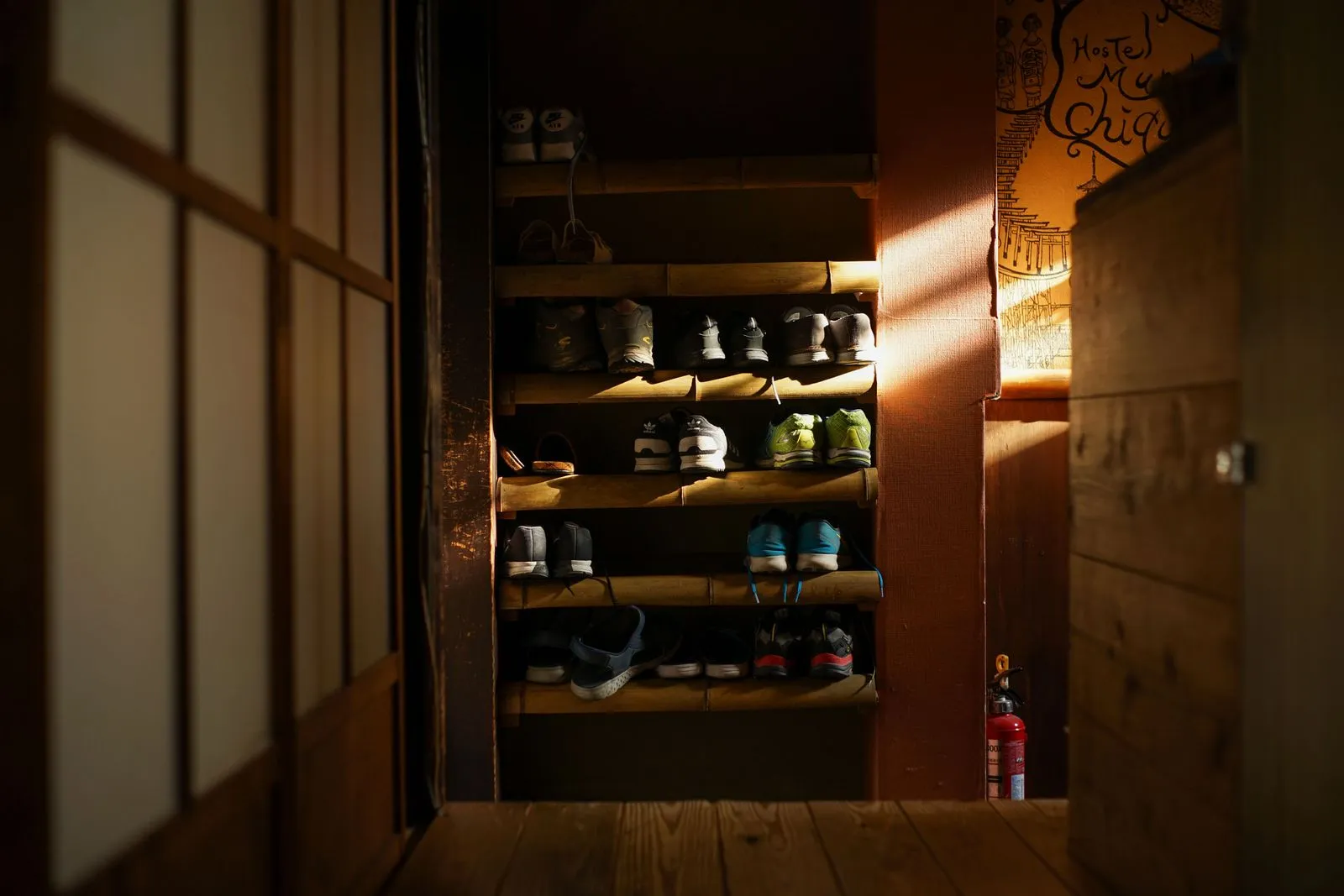
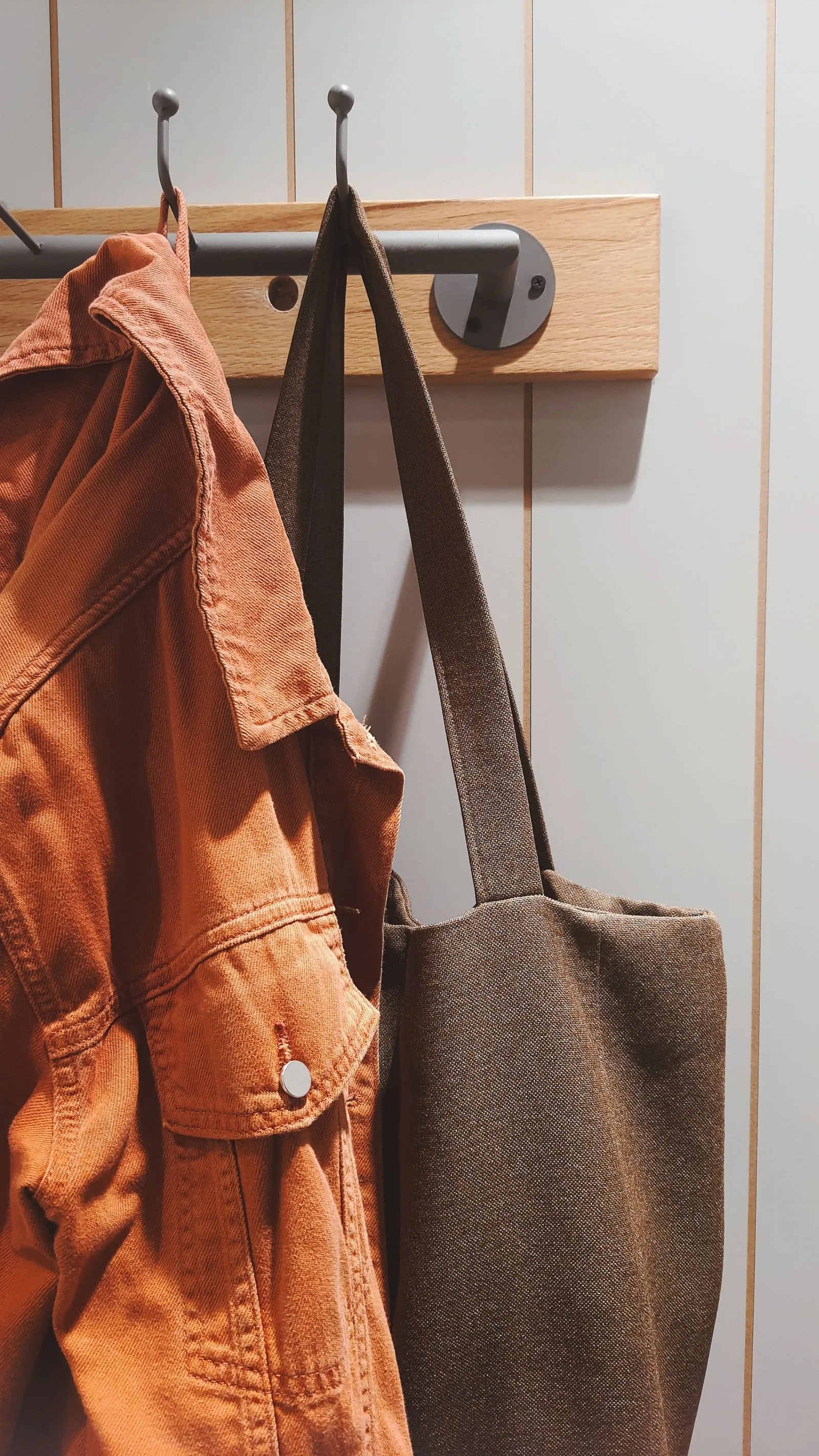
Coats and bags fighting for the same hooks is how totes end up stacked on the floor. Add a second row 12 to 14 inches below the coat row, sized for bag straps rather than coat collars — smaller hooks work fine here since a loaded tote bag or backpack rarely exceeds 3 to 5 pounds.
Keep this tier to daily-carry bags only: the work bag, the gym bag currently in rotation, one kid backpack per child. A hook that’s holding a bag nobody has touched in three weeks isn’t storage, it’s just a slower pile. Anything not in weekly use belongs in a closet shelf or under-bed bin instead of taking up entryway wall space.
Rotate by season instead of hanging everything at once
A hook row sized for daily use will always look overloaded if it’s also trying to hold the full seasonal wardrobe. Keep two to three outerwear pieces per person on the wall — whatever’s actually being worn this week — and move anything out of season to a hall closet or under-bed bin.
That swap takes minutes twice a year: spring coats and light jackets go up when the parkas come down, and vice versa in fall. It also means the row never has more coats hanging than hooks available, which is the actual root of the chair-pile problem in the first place. Our guide to small entryway organization for renters covers how to zone the rest of the entry — shoes, bins, a bench — around this same no-drilling approach.
Check the wall, not just the hook, every few months
Adhesive hooks are removable, which also means they’re checkable. Every three to four months, give each hook a gentle downward tug. If it shifts or the adhesive strip looks yellowed and brittle at the edges, replace it before it fails with a coat on it — a fresh strip costs a couple of dollars and five minutes, a fallen coat means starting the whole system over.
When it’s time to remove a hook for real, at move-out or a repaint, warm the adhesive strip with a hair dryer on low for 15 to 20 seconds, then pull the tab straight down and slow rather than out. Pulling straight off the wall tears paint; pulling down along the wall releases the adhesive’s stretch-release backing cleanly. A hook removed this way leaves no mark and no residue, which is the entire point of choosing damage-free storage in the first place.
The two-minute habit that keeps the chairs clear
The system only holds if hanging up a coat takes less effort than draping it over a chair. Keep the row within reach of the door — no detour through another room — and leave one hook empty as landing space for whatever’s in your hands when you walk in, whether that’s a delivery box or an extra bag from a friend.
Once a week, do a two-minute pass: rehang anything that slipped to the floor, move out-of-season pieces to the closet, and confirm no hook is carrying more than it’s rated for. That’s the whole maintenance routine. Do it consistently and the dining chairs go back to being furniture instead of the coat closet the apartment never had.