Mail and Key Organization Station Ideas for the Entryway
The keys are never where they should be. One morning they are in a coat pocket, the next they are buried under a stack of mail on the counter, and at least once a week someone is patting down the couch cushions two minutes before they need to leave. Meanwhile the mail itself has taken over a whole corner of the kitchen counter: catalogs mixed in with bills, a permission slip from three weeks ago, a package slip nobody has acted on.
None of this is a discipline problem. It is a location problem. Keys and mail both need a landing spot the second they come through the door, and if that spot doesn’t exist, they land wherever a hand happens to be free. A small wall-mounted station, built for six square feet of wall near the entry, gives both of them exactly one home. Here is how to build one that actually gets used.
Pick the six square feet by the door
The station has to live on the path between the door and the rest of the house, not down a hallway or in a closet. If the walk from the car to the kitchen doesn’t pass the spot, the habit never forms, no matter how good the hooks are.
Look for a stretch of wall between 18 and 30 inches wide, ideally within arm’s reach of the door itself. A blank wall next to a closet, the side of a hallway that dead-ends at the kitchen, or the strip beside a light switch all work. Mount the hook row at a height everyone in the house can reach without stretching, generally 48 to 54 inches off the floor for a mixed-height household, lower if kids are old enough to hang up their own backpack keys.
Avoid the wall directly behind the door swing. It seems convenient because it is the first thing you see, but a station that gets knocked by an opening door loses items and eventually gets abandoned.
The key hook rule: one hook, one key ring
Most key chaos comes from too many hooks and too many key rings. A four-person household with eight hooks ends up with keys scattered across all of them, because nobody remembers which hook is theirs, so the actual habit collapses into “wherever there’s room.”
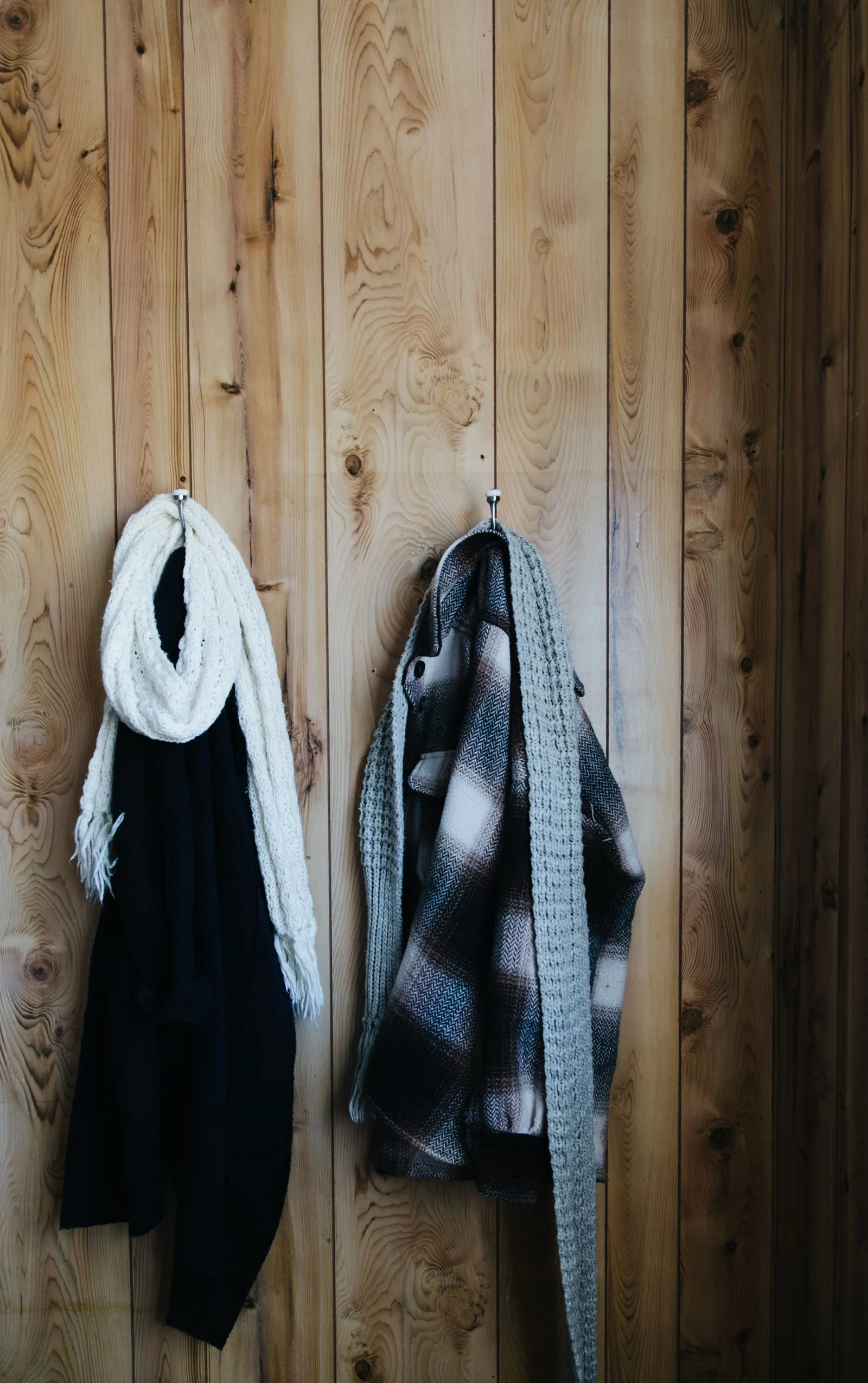
Cut it down to one hook per person, five hooks maximum even in a larger household, and label them if anyone is under age ten. Each person consolidates their keys onto a single ring: house key, car key, mailbox key if there is one. A keychain fob or a small carabiner keeps loose keys from becoming their own clutter on the ring.
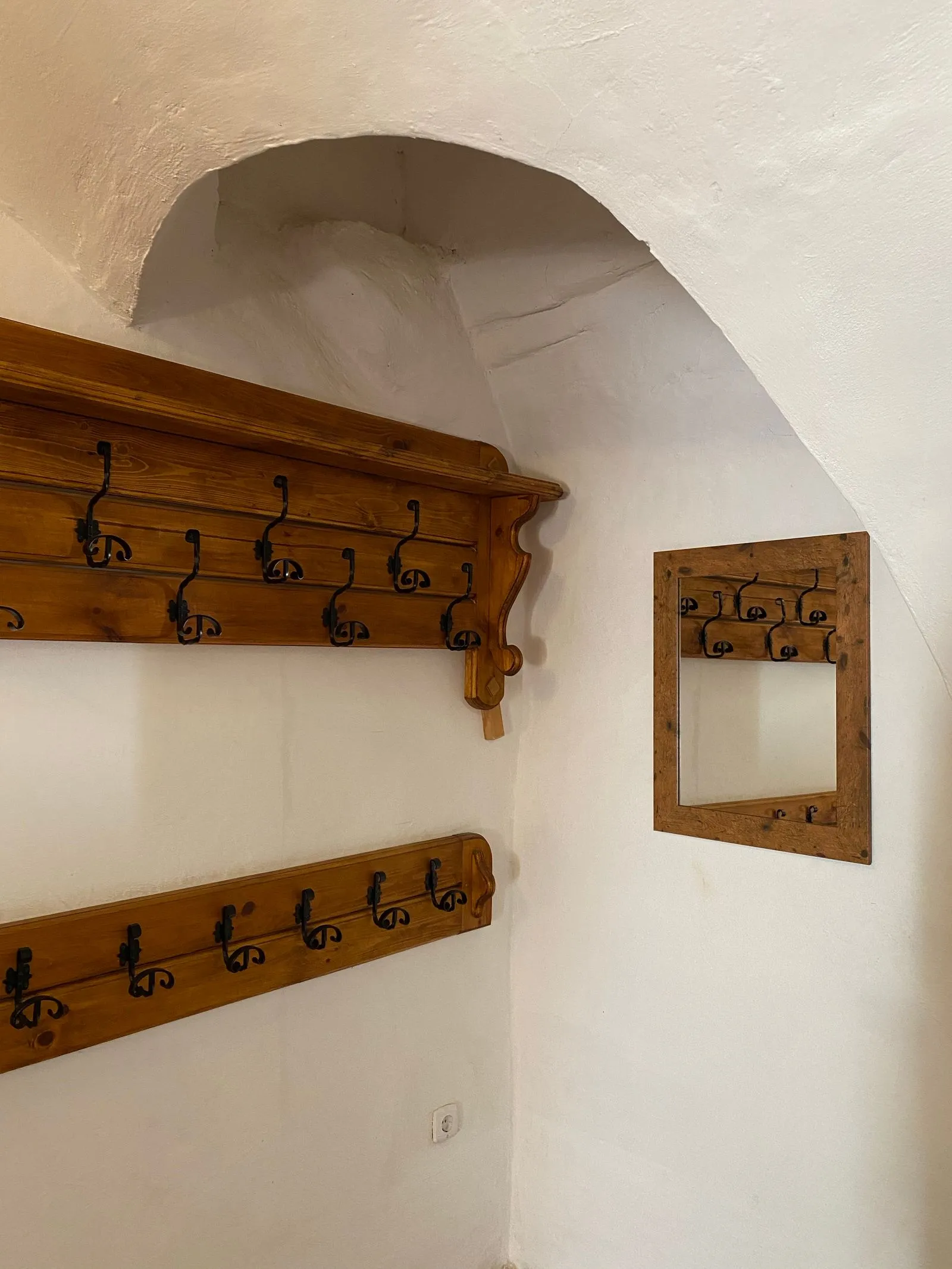
Spacing matters more than it seems like it should. Hooks need at least 3 inches between them so two sets of keys don’t tangle every time someone grabs theirs in a hurry. A row of hooks 4 inches apart, mounted on a rail rather than individually, keeps the spacing consistent and looks intentional instead of like a hardware store display.
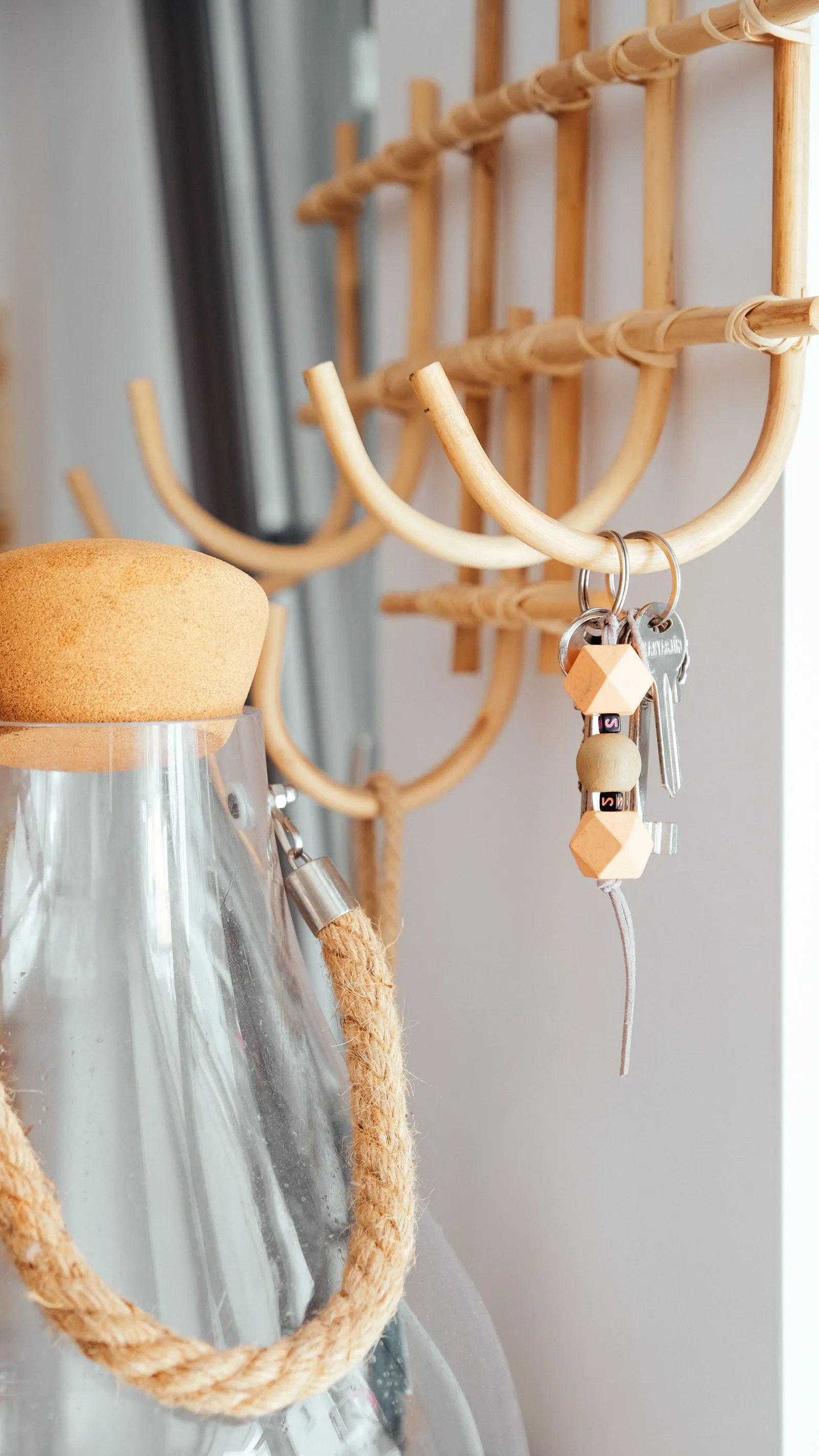
If the household is short on space or renting, a single small hook rail does the same job as five separate hooks and takes up 12 inches of wall instead of 30. Our guide to small entryway organization for renters has more layouts for stations that fit in a narrow hallway or a shared apartment entry.
Build a mail triage tray with a weekly purge
Mail needs a container, not a countertop. A single tray or a two-slot wall rack, roughly 9 by 12 inches, mounted or set right below the key hooks, gives every piece of incoming mail one landing spot the second it crosses the threshold.
Sort as it lands rather than later. Junk mail and catalogs go straight into a recycling bin kept within arm’s reach of the tray, not carried further into the house first. Anything that needs action, bills, forms, appointment reminders, goes into the tray. If the tray has two slots, split it into “to open” and “to act on,” so opened mail with a task attached doesn’t get buried under fresh unopened envelopes.
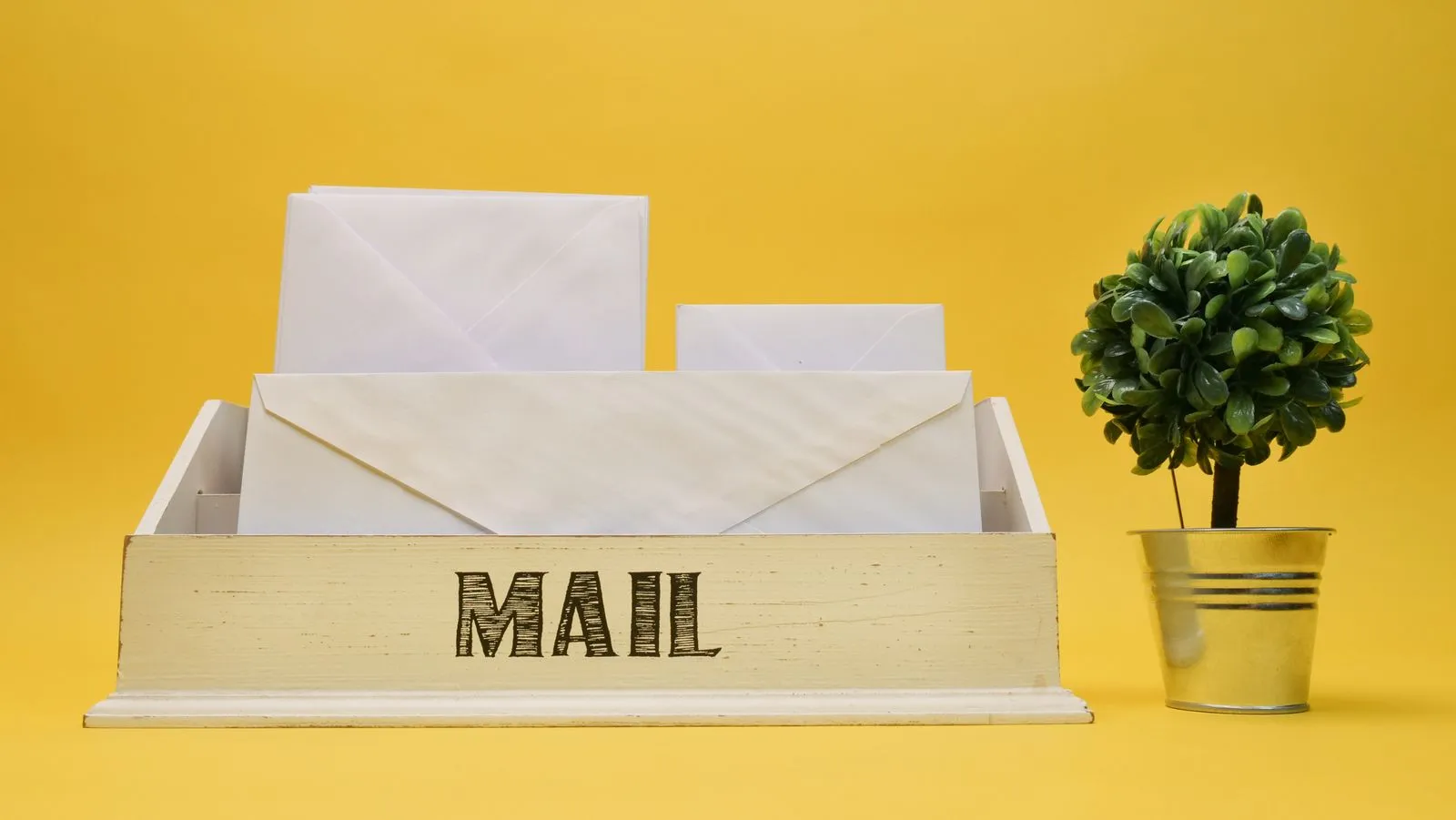
The tray only works with a weekly purge. Pick one day, Sunday evening is common, and empty the tray completely: pay or file what needs action, shred anything with an account number, recycle the rest. A tray that never gets emptied turns into the same pile it was supposed to replace, just contained to one spot instead of spread across the counter. Fifteen minutes once a week keeps it from ever reaching that point.
Give masks and everyday carry a small shelf
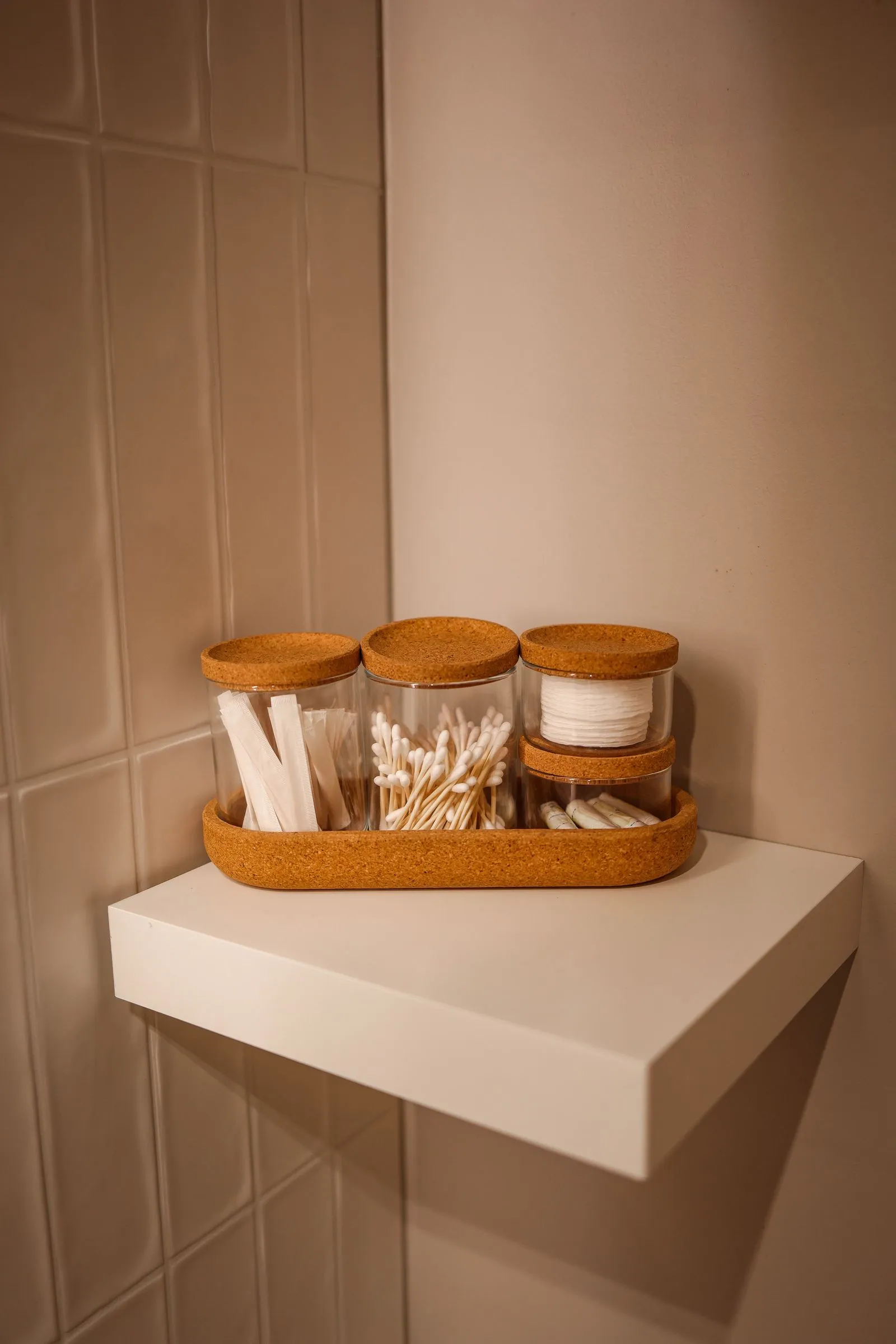
Masks, sunglasses, a wallet, a transit card: these are the items that get carried daily but don’t belong on a hook or in the mail tray. A shelf as small as 6 inches deep, mounted just above or beside the key hooks, gives them a spot without needing a full console table.
A shallow basket or a small dish on that shelf keeps loose items from sliding off when the door slams. Limit it to what leaves the house daily. Anything that sits untouched for two weeks, a spare charger, an old parking pass, has drifted into storage territory and belongs somewhere else, not on the one shelf that’s supposed to stay clear for daily grabs.
Renter-friendly damage-free mounting
Renters and anyone who doesn’t want to patch drywall on move-out day can build this entire station without a single screw. Heavy-duty adhesive hooks rated for 5 to 7 pounds hold a full set of keys with room to spare, and adhesive strips rated for 3 to 5 pounds handle a lightweight mail tray or small shelf. Both come off cleanly with a slow, low-angle pull and leave no residue if the wall is painted drywall and has been clean and dry for the 24 hours before mounting.
Test the adhesive on an inconspicuous patch of the same wall first, since some textured or freshly painted surfaces don’t bond as well as the packaging promises. And check the weight rating against what will actually hang there: a station that holds four sets of keys plus a heavier tray needs the higher-rated hardware, not the lightest option on the shelf.
For more ways to add real storage to a rental without losing the deposit, our post on damage-free wall storage for renters covers shelving and rail systems beyond what a station like this needs.
The 30-second daily habit that keeps it working
No station stays organized on its own. The one habit that makes this work happens at the exact moment someone walks in the door: keys go on the hook before hands touch anything else, and mail goes in the tray before it touches the counter. That’s it. Not later, not after taking off shoes, right at the threshold.
It takes less than 30 seconds and it has to happen every single time, including the days when hands are full of groceries or a kid needs help with a backpack. The first few weeks take conscious effort. After that, it becomes the automatic thing hands do near the door, the same way flipping a light switch is automatic.
That’s the whole difference between a station that works for a month and then gets ignored, and one that quietly runs a household for years. Keys stop vanishing because they only ever have one place to be. Mail stops piling up because it never touches a surface that isn’t the tray. The six square feet by the door end up doing more for the daily routine than any closet or drawer in the house.