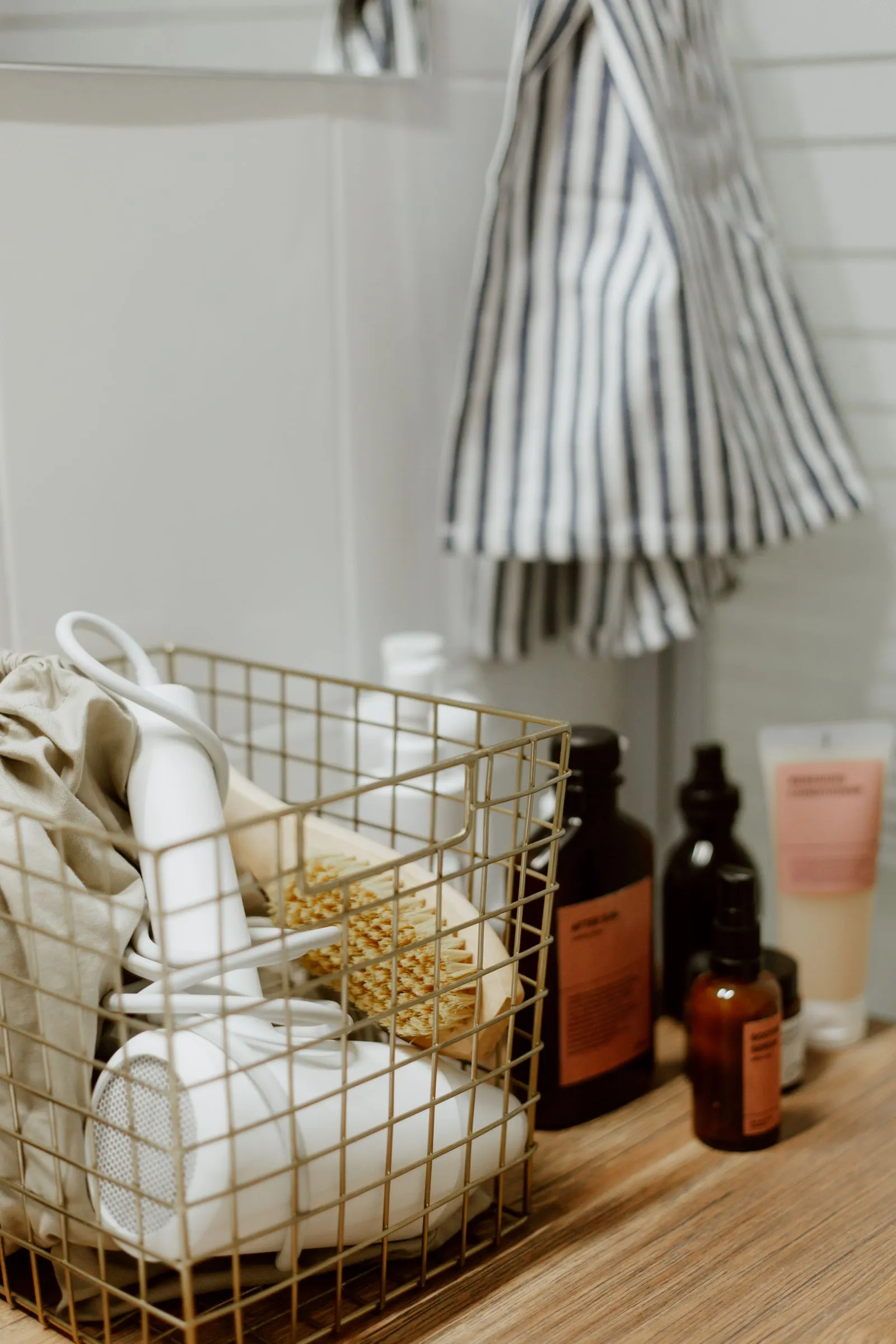
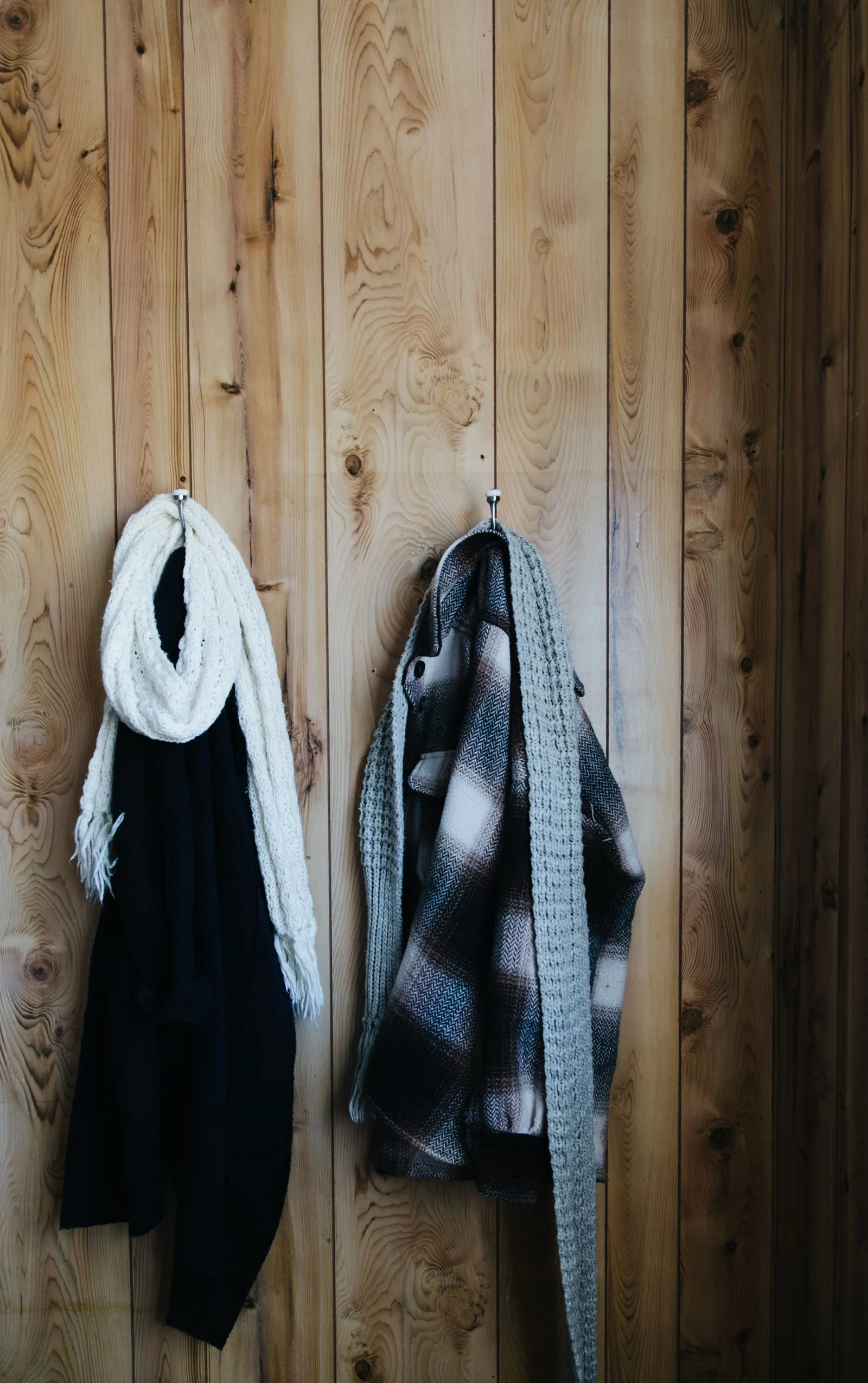
Shoe Storage Ideas for Small Entryways and Mudrooms
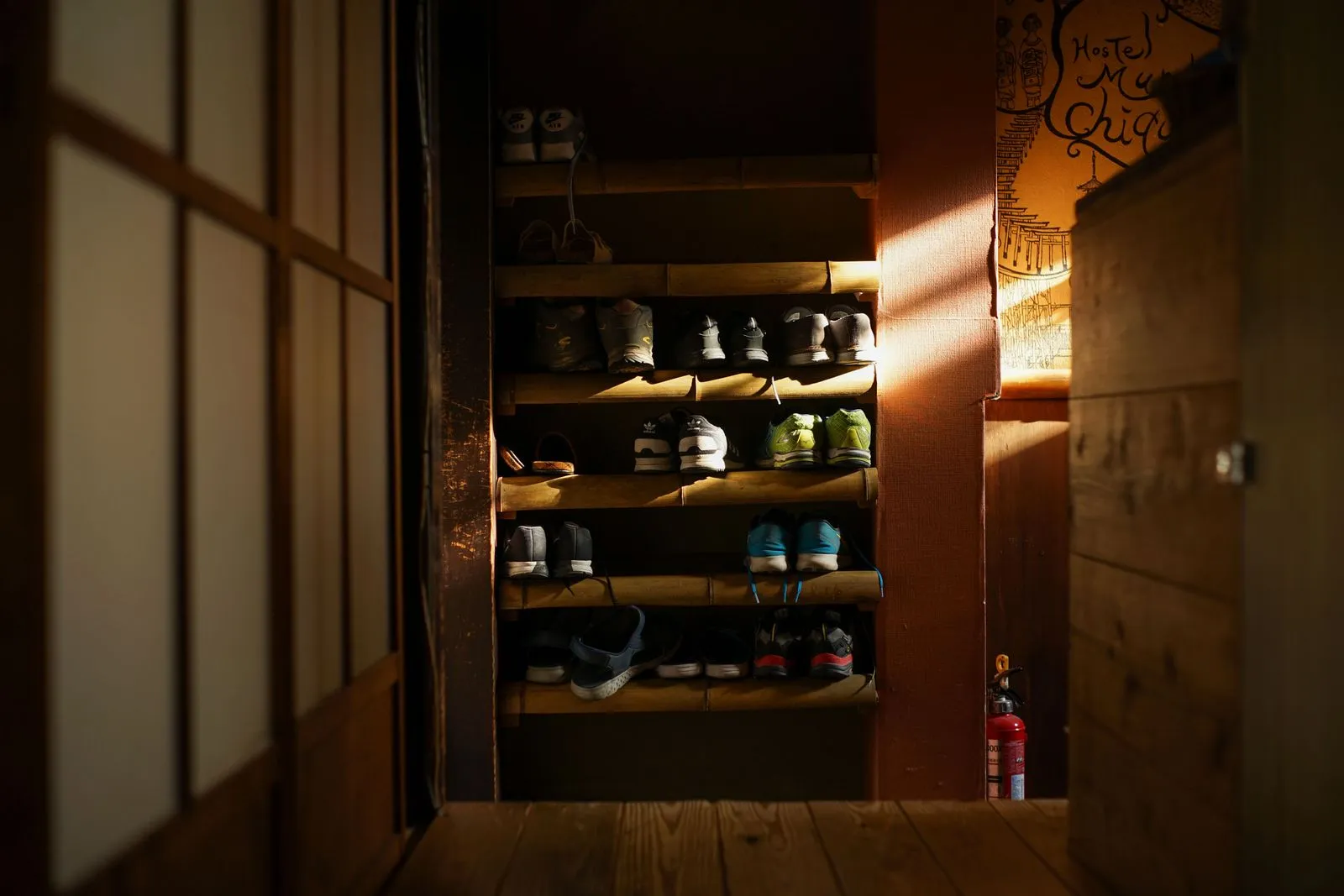
Every household has a spot where shoes land the second someone walks in, and if that spot is not planned, it becomes a pile within a week. The pile spreads across the doormat, blocks the door from opening fully, and turns “just kick them off” into a small hazard by the time four people have added their pairs.
The fix is not a bigger closet. It is a shoe zone sized to the number of people walking through that door every day, placed close enough to the entry that using it takes less effort than skipping it.
Count pairs before you shop
Most entryway shoe storage fails because it was sized for what looked good in a catalog photo, not for the household actually using the door.
Count daily pairs per person — most people keep one to two pairs in active rotation. A household of three with two active pairs each needs storage for at least six pairs before you even account for guests or seasonal swaps. Multiply that by the depth of an average shoe: about 10 to 12 inches for adult sneakers, 6 to 8 inches for kids’ shoes.
Measure the entry space next. A narrow hallway entry might give you only 12 to 18 inches of floor width beside the door. That number, more than style preference, decides whether you are shopping for a low tray, a slim vertical rack, or a full bench system.
A slim rack fits where a bench cannot
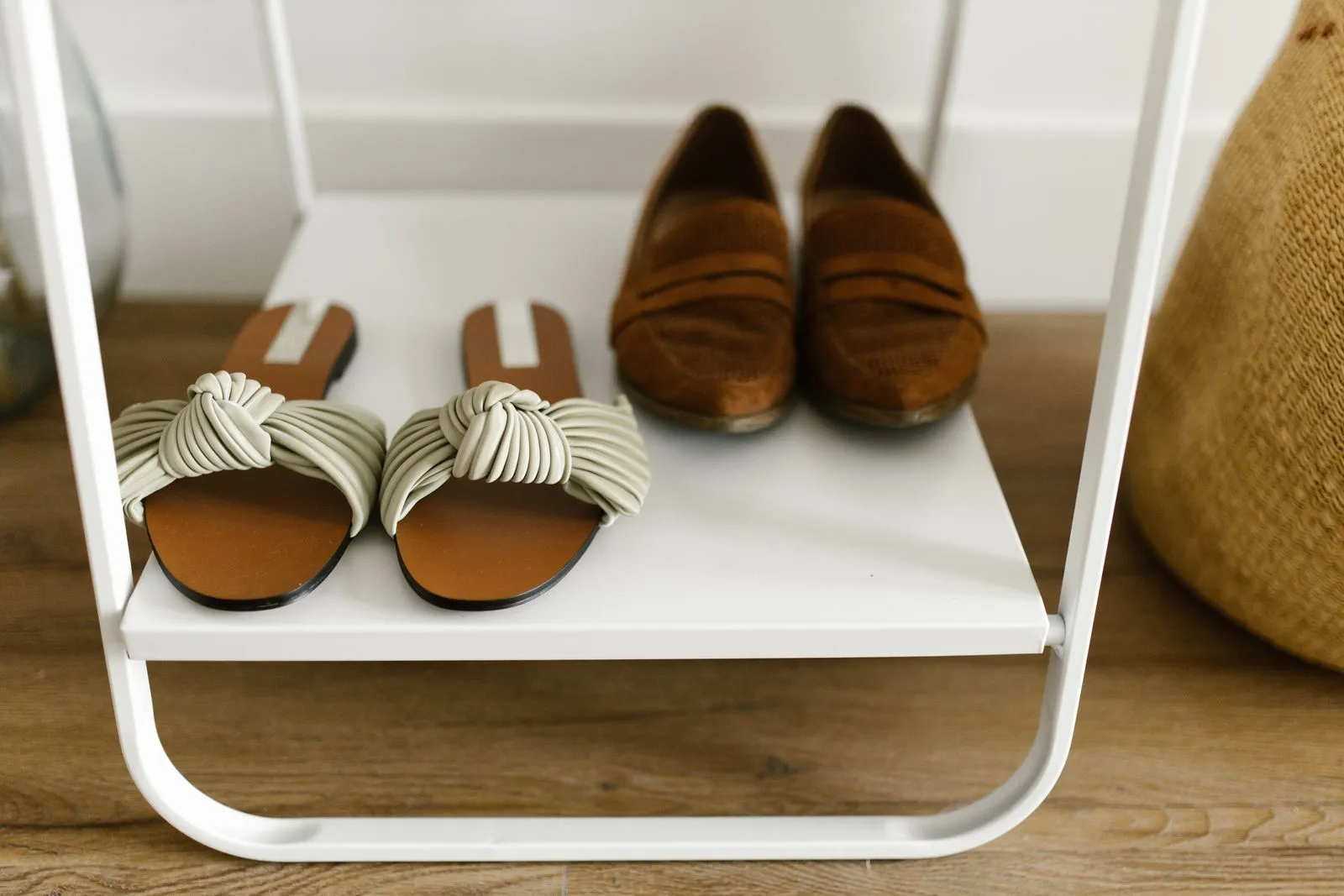
In an apartment entry with 12 to 20 inches of floor space, a slim two- or three-tier metal or bamboo rack is usually the only shoe furniture that physically fits. These run about 15 to 25 dollars and hold 6 to 9 pairs depending on tier count.
Angle matters as much as it does in a closet. A rack with tiers tilted slightly forward shows the whole shoe instead of just the toe, so grabbing the right pair takes one glance instead of pulling three out to check. Set the bottom tier for bulkier shoes like sneakers and boots, and the top tier for flats and sandals, which weigh less and will not tip a lightweight rack forward.
A boot tray works when a rack does not fit at all
Some entries have no floor width to spare for any rack. A boot tray or shallow rubber mat, roughly 24 to 30 inches wide, solves the “shoes end up everywhere” problem without requiring dedicated furniture — it just defines a fixed zone shoes go into.
This matters most for wet-weather months. A tray catches water, mud, and salt runoff instead of letting it soak into the entry flooring, which renters especially want to avoid. Buy a tray a few inches wider than your actual shoe count needs, since a tray that is exactly full looks like clutter and stops feeling like a defined zone.
Over-the-door pockets handle flats, sandals, and slippers
The inside of a coat closet door near the entry is flat, vertical space that is almost always empty. A hanging pocket organizer, 12 to 20 dollars, holds 16 to 24 pairs of flat, low-profile shoes in a panel that takes zero floor space.
Be realistic about what fits. Flats, sandals, canvas sneakers, and slippers go in easily. Bulky sneakers and boots jam the pockets and stretch the fabric. Use the pockets for the smaller shoes only, and keep the floor rack or tray for anything thicker.
Felt pads where the hook contacts the door protect the paint, and this setup is fully removable at move-out, which matters for a lease.
A bench earns its footprint only with real seating use
A storage bench with a shoe shelf underneath is the highest-capacity option, but it needs 36 to 48 inches of wall space to make sense, plus 18 to 24 inches of clearance in front for someone to sit and put shoes on.
If the entry is narrow, a bench often blocks the door swing or a hallway more than it helps. Measure the door’s full swing arc before buying one — a bench that clears a closed door can still catch it mid-swing. If the footprint does not work, skip the bench and put the same budget into a rack plus a tray instead.
Split daily shoes from the rest
The households that keep their entry clear long-term do one specific thing: they only keep daily-rotation shoes at the door. Dress shoes, off-season boots, and rarely worn pairs move to the bedroom closet in a bin, freeing the entry rack for the two or three pairs each person actually wears that week.
This single split does more than any organizer, because it keeps the entry rack sized correctly instead of slowly absorbing the whole household’s shoe collection.
Mistakes that put the pile back
Buying a rack sized for the shoes you own today, with no room for guests. Leave one empty slot; a completely full rack gets skipped in favor of the floor.
Skipping the swing-clearance check on a bench. A bench that blocks the door gets moved once and then ignored.
No wet-weather tray. Without one, rain and snow track straight onto flooring the rack cannot catch.
Letting off-season shoes creep back into the entry rack. If the rack fills with boots nobody’s worn since spring, the daily pairs lose their spot and end up back on the floor.
A one-afternoon setup
Count household pairs, measure the entry width, and pick one primary piece — rack, tray, or bench, based on what actually fits. Add an over-the-door pocket organizer only if flat shoes are eating rack space. Load daily pairs at the front, move off-season pairs to the closet, and check the setup again after two weeks to see what still lands on the floor.
Once the shoe pile is under control, the rest of the entry usually needs the same treatment. Our guide to small entryway organization covers the console, hooks, and mail zone that go around this shoe setup. And if the closet is where the off-season pairs are headed next, the shelf-pitch numbers in shoe storage for small closets carry over directly.