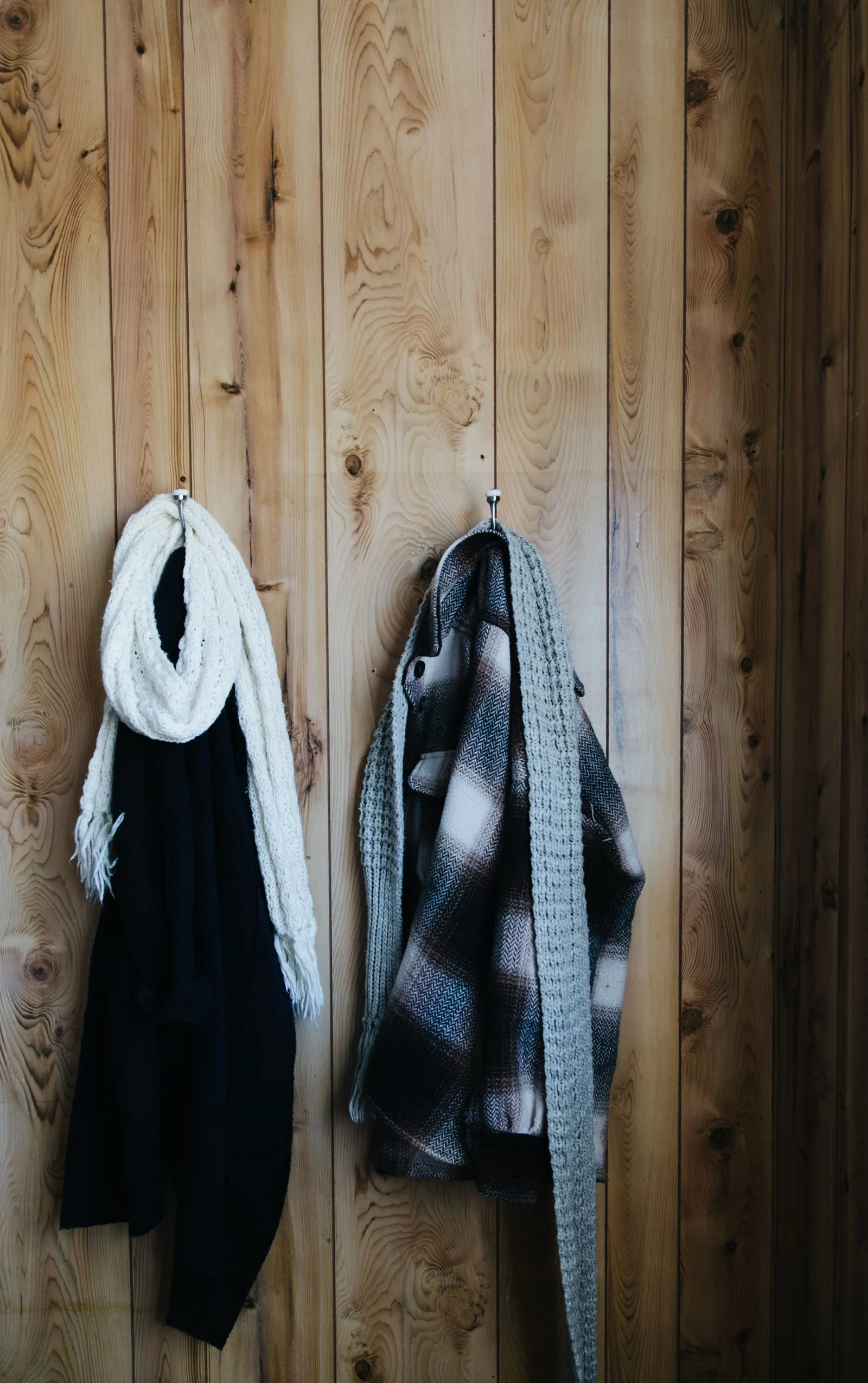
Winter Gear Storage Ideas for a Small Entryway
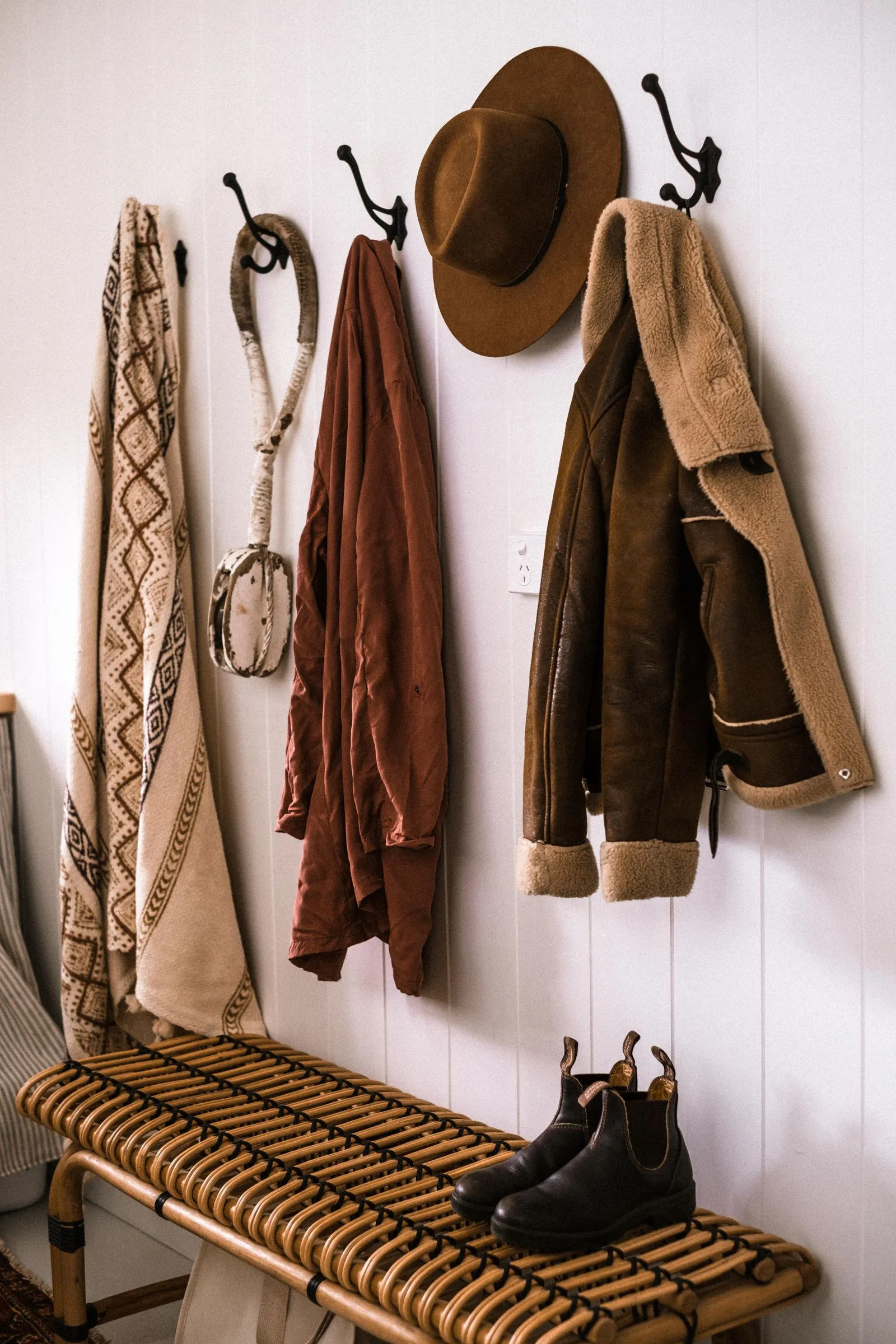
By the second week of November, the entry floor has a hat, a single glove, and a wet boot lying on its side. By January, it is two hats, four gloves that never seem to pair up, and a puddle under the mat that nobody remembers stepping in. The pile does not belong to any one person, which is exactly the problem. When gear has no assigned spot, it lands wherever it was pulled off, and a small entryway has no room to absorb five people’s worth of “wherever.”
The fix is not a bigger closet. Most small entryways do not have one to add. The fix is a system that gives every piece of winter gear a specific landing spot the second it comes off a body, sized to fit the narrow strip of floor and wall that a small entry actually has.
Give every person one bin, not a shared pile
A shared basket for “everyone’s hats and gloves” sounds efficient, but in practice it becomes a bin nobody can find anything in by December. The system that actually holds up through a whole winter is one bin per person, not one bin per category.
Use bins roughly 10 to 12 inches wide, one per household member, labeled with a name or a color so a five-year-old can find their own without asking. Each bin holds that one person’s hat, gloves, scarf, and neck warmer, nothing else. When a kid comes in from the bus stop, the routine is one motion: gear off, into the bin with their name on it. No sorting, no matching, no separate spots for hats versus gloves.
Stack the bins on an open shelf or a shoe cubby at chest height for adults and reachable height for kids, generally 24 to 30 inches off the floor for elementary-age children. If wall space is tighter than shelf space, a row of over-the-door bins on the closet or coat closet door works just as well and costs nothing in floor footprint.
A woven basket works well as a catch-all for the folded layers a bin can’t hold flat, like a bulky sweater or a stack of scarves waiting for their turn in the rotation.
Add a boot tray that actually contains the mess
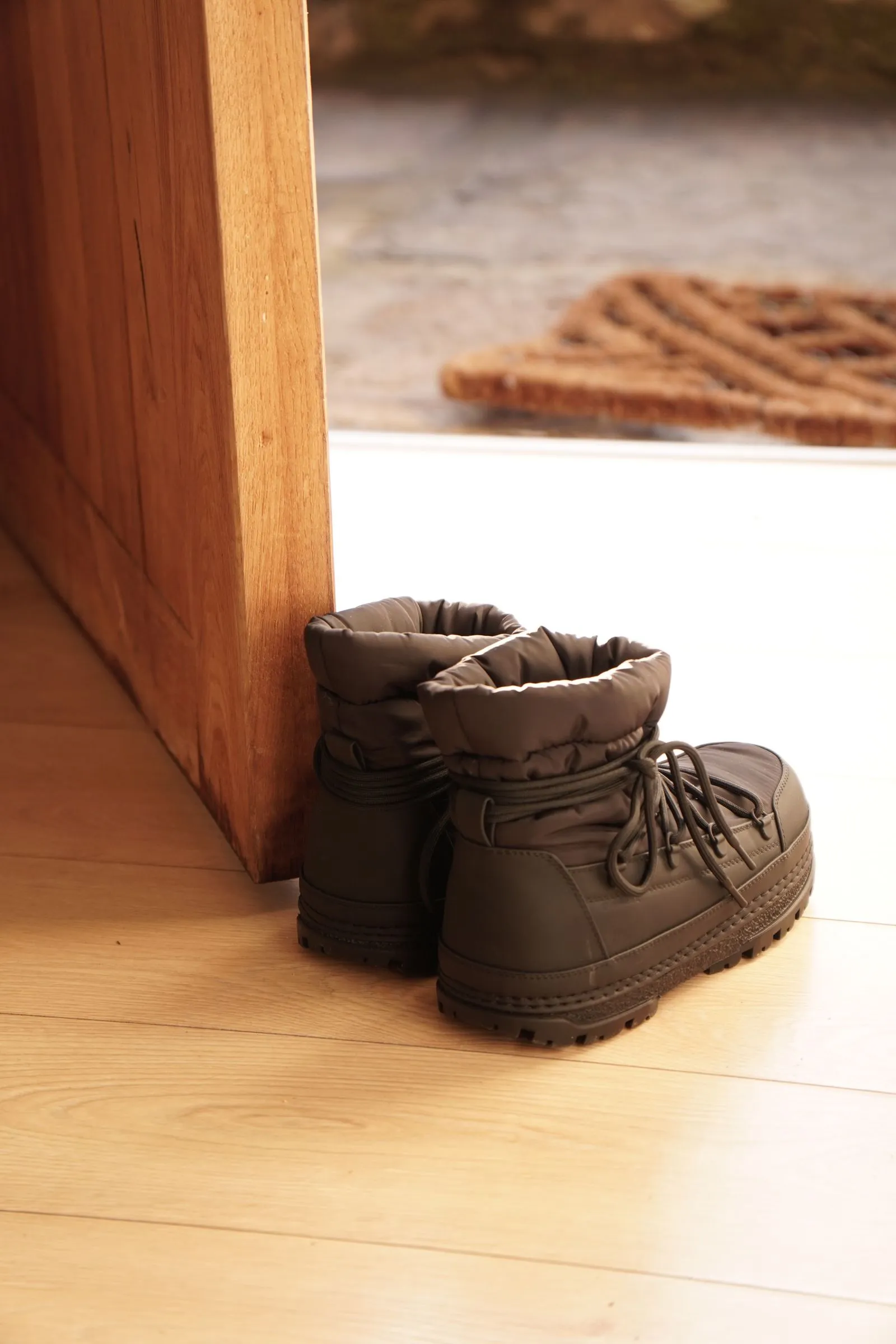
Wet boots are the other half of the November-to-March problem, and they need a different container than fabric bins. A rubber or plastic boot tray, roughly 30 by 15 inches for a family of four, sits directly on the floor by the door and catches snowmelt, salt, and mud before any of it reaches the flooring underneath.
Size the tray to the traffic, not the square footage. A single 16-inch tray works for one or two people; a household of four to six needs either one long tray or two trays end to end. Line the tray with a slotted rubber mat if the household deals with more than an inch or two of standing slush at a time, since the raised ridges let boots drip without sitting in their own puddle.
Assign a lane on the tray the same way each bin belongs to a person: leftmost pair to whoever comes in first, and so on. It sounds like overkill for two feet of tray, but it is what stops six random boots from becoming a barricade across the doorway.
Put hooks at the height people actually use them
Hooks fail more often from being at the wrong height than from being the wrong hook. A row of hooks at adult shoulder height gets ignored by a seven-year-old who cannot reach it, and the coat ends up on the floor instead. Mount one row at 48 to 54 inches for adults and teens, and a second, lower row at 28 to 34 inches for younger kids, so reaching the hook is never harder than dropping the coat.

Double hooks, not single pegs, matter more in winter than any other season, since a coat and a scarf need to hang without a hat sliding off the top of the pile. Give each household member two hooks side by side: one for the coat, one for a scarf or a second layer. If wall space near the door is already full, a slim hook strip on the back of the coat closet door adds four to six more hooks without touching the entry footprint at all. And if your lease rules out drilling entirely, a freestanding piece like HOMCOM’s 3-in-1 hall tree with hooks, a bench, and shoe storage puts the whole hook system on its own feet, no wall required.
Give wet gear somewhere to dry before it disappears
The habit that breaks every entryway system in winter is putting wet gear straight into a closed bin. Damp mittens and snow pants zipped into a bin or closet do not dry, they mildew, and the smell shows up long before anyone traces it back to the entryway.
Add one drying spot before storage, not instead of it. A wall-mounted drying rack, an over-the-door hook rack, or even three cheap hooks reserved just for “wet stuff” gives snow pants, mittens, and wet hats four to six hours to air out. Only once something is dry does it move into its bin or onto its hook. This one extra step, done consistently, is the difference between an entryway that smells fine in February and one that does not.
Rotate the gear as the season turns
A bin-per-person system only stays usable if it is not also holding every pair of sandals from July. Before the first cold snap, pull warm-weather shoes and gear out of the entryway entirely and move them to a closet or under-bed bin, freeing the full bin and hook allotment for coats, boots, and snow gear. Do the reverse in spring: winter gear gets a quick wash or wipe-down, then moves to storage, and the entryway resets to its lighter seasonal load.
This seasonal swap is also the moment to size down. If a bin is holding gloves with no match and a hat nobody has worn in two winters, spring is the checkpoint to let those go rather than storing them for a sixth season. If the entry also holds a bench with hidden storage underneath, that space works well for exactly this kind of seasonal swap-out; our guide to entryway bench hidden storage covers sizing one to fit a narrow entry.
The two-minute reset that keeps it working
None of this holds up without a nightly reset, and it does not need to take long. Before the front door closes for the night, do one pass: check the boot tray for anything not lined up in its lane, confirm each bin lid closes without gear hanging out the side, and move anything still on the drying hooks that has had its four hours.
That two-minute check is what keeps the pile from creeping back in by the second week of December. A bin-per-person system and a boot tray do not eliminate winter mess on their own — they only work because every piece of gear has exactly one place to go, and the nightly reset is what sends it there instead of onto the floor. If hooks alone have never held up to a full coat rotation in your entry, the layout ideas in our guide to entryway command hook coats are worth pairing with the bin system above.